

























































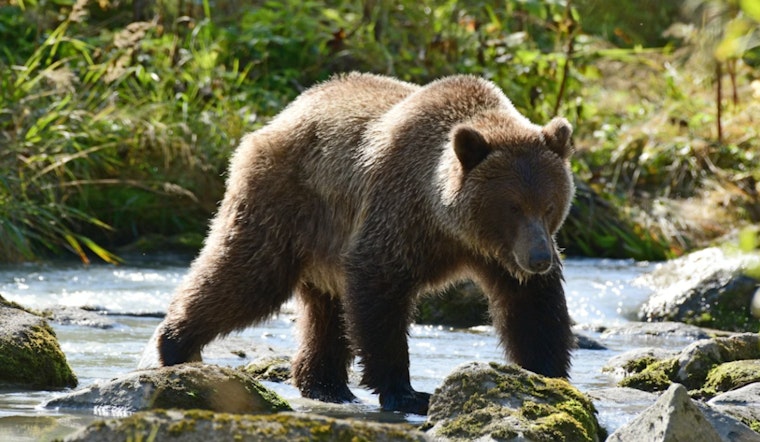
California lawmakers are about to wade into one of the wildest conservation debates the state has seen in years: whether to seriously plan for the return of grizzly bears. The state Senate's Natural Resources and Water Committee is set to hear a bill this week that would order wildlife officials to study and map out how a reintroduction could actually work, nearly a century after the last wild California grizzly disappeared. Supporters frame it as long overdue ecological repair, while critics warn it could hammer rural communities and drain already thin state wildlife resources.
What SB 1305 Would Do
Senate Bill 1305, authored by Sen. Laura Richardson, would declare it official state policy to restore the grizzly bear and require the Department of Fish and Wildlife to develop and publish a detailed roadmap for how that might happen. The roadmap would have to include habitat suitability studies, population modeling, independent peer review and formal consultation with California tribes. Under the bill, the department would need to deliver that plan to the Legislature by June 30, 2028.
The legislation bars any actual reintroduction until the department and regulators adopt procedures designed to minimize risks to human life and property. It also signals that lawmakers want sustainable funding in place to support the work, as outlined in the bill text on California Legislative Information.
When Lawmakers Will Weigh It
The Senate Natural Resources and Water Committee has scheduled SB 1305 for a hearing on April 7, 2026, giving the public and experts their first formal chance to test both the science and the politics behind grizzly restoration. The committee agenda lists the bill for a 1:30 p.m. start in State Capitol Room 113, where supporters and opponents will line up to offer testimony, according to the bill tracker on LegiScan.
Science And Tribal Support
Momentum for the proposal traces back to a 2025 feasibility study led by UC Santa Barbara researchers that concluded California still holds large blocks of suitable habitat. Parts of the Sierra Nevada, the northwest forests and the Transverse Ranges could potentially support grizzly populations if releases were tightly managed, according to coverage of the study in the Los Angeles Times.
The California Grizzly Alliance and tribal leaders, including the Tejon and Yurok tribes, have publicly backed further exploration of restoration, highlighting both ecological benefits and cultural significance, as detailed by the California Grizzly Alliance.
Rural Pushback And Agency Capacity
Not everyone is eager to see a giant carnivore back on the landscape. Ranching groups and many rural officials argue that adding grizzlies to the mix would compound conflicts already sparked by growing wolf and black bear populations. They also question whether the Department of Fish and Wildlife has enough staff and money to take on a grizzly program at all.
Recent reporting notes that the department is already stretched managing wolf monitoring and livestock compensation programs, and that livestock and agricultural groups strongly oppose forcing the agency to craft a roadmap that could steer the state toward reintroduction, according to Agri-Pulse.
National Context And A Century Of Absence
Grizzly bears were wiped out from most of the lower 48 states by the early 20th century. In California, the last reliable sighting dates to the 1920s. Since then, the species has been protected at the federal level.
Federal reviews and status reports show that grizzly numbers in the contiguous United States have risen from an estimated 700 to 800 animals in 1975 to about 1,900 today. Proponents lean on that recovery record when they talk about translocation and intensive monitoring, pointing to long term federal data summarized by the U.S. Fish & Wildlife Service.
How A Reintroduction Could Work
Supporters stress that any California grizzly comeback would be one of the most controlled wildlife projects the state has ever attempted. Potential plans discussed in news coverage describe rigorous monitoring, widespread use of tracking collars and rapid response teams on standby for conflicts.
One advocate told the Sacramento Bee the effort "would be the most highly monitored, high‑tech reintroduction ever carried out anywhere in the world," with GPS collars and continuous tracking expected to be central to any release strategy, according to the Sacramento Bee. Backers argue that modern science gives managers tools previous generations never had to reduce risks to people and livestock.
Legal And Regulatory Hurdles
SB 1305 lays out a structured process for any next steps. The roadmap must go through independent peer review and include robust community engagement. The bill bars reintroduction until biological viability and conflict mitigation procedures are formally adopted, and it states the Legislature's intent to provide the Department of Fish and Wildlife with sustainable funding to do the work.
The bill text also allows the department to accept both public and private funds to administer the program, and it spells out regulatory steps and certain exemptions that would apply if the state ever moved from planning to releasing bears, as explained on California Legislative Information.
The April 7 hearing will reveal whether California lawmakers are ready to commit to what could become a decades long restoration project, or whether political resistance, budget worries and rural pushback keep the grizzly on the flag and out of the wild. Expect a packed hearing room and pointed testimony from scientists, tribal leaders and livestock owners as legislators decide whether a recent feasibility study becomes the foundation for sustained policy action.





