

























































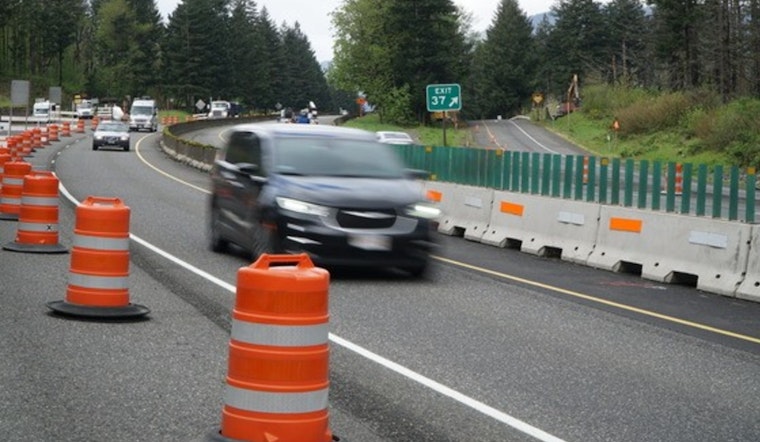
Oregon’s highways are getting more dangerous for drivers, especially where the orange cones come out. In 2024, the state logged 621 crashes in work zones, a five-year high that left 14 people dead and 36 others seriously injured. The spike comes as road crews roll into their busy season and traffic squeezes through narrowed lanes, temporary signs and flagger-controlled stretches of road. With National Work Zone Awareness Week starting Monday, the Oregon Department of Transportation is pushing a simple message: hit the brakes and give workers space.
As reported by KATU, ODOT’s 2024 numbers show 621 total work-zone crashes, the highest tally the agency has seen in five years. KATU notes that ODOT said every one of the 2024 deaths and serious injuries involved drivers or passengers, not road workers. ODOT told the station, “Work zones are a shared space between drivers and road workers. Your decisions behind the wheel matter.”
What ODOT Wants Drivers To Do Now
ODOT is asking drivers to stick to a basic playbook: stay alert, slow down, move over when crews are nearby and plan ahead for delays instead of trying to make up time at the last minute. The agency points to distracted driving and speed as two of the biggest factors in work-zone crashes and directs motorists to ODOT for work-zone safety guidance and to TripCheck for real-time closures, detours and travel times.
National Context And This Week’s Awareness Push
National Work Zone Awareness Week runs April 20–24, and organizers stress that most people killed in work zones are motorists and their passengers, not the crews in hard hats. The national campaign, which includes a Go Orange Day on Wednesday, is meant to shine a brighter light on those risks and push drivers to dial back their speed and distractions as spring construction ramps up.
Enforcement And Local Impact
ODOT is also reminding drivers that fines can be doubled in work zones, even when workers are not clearly visible on site, and that law enforcement sometimes targets areas near active projects for extra patrols. The agency says those penalties are only one piece of a broader safety strategy that also leans on engineering changes, inspections and focused enforcement.
How Drivers Can Cut Their Risk Today
If you are heading through Portland or anywhere else in Oregon this week, ODOT’s advice is straightforward: leave early, expect delays, do what flaggers tell you and move over when asked. Wearing orange on Go Orange Day is a visible show of support for road crews, but the move that matters most is behind the wheel. Slow down, keep your phone put away and treat cones and lane shifts as your cue to settle in for slower, safer traffic.



