

























































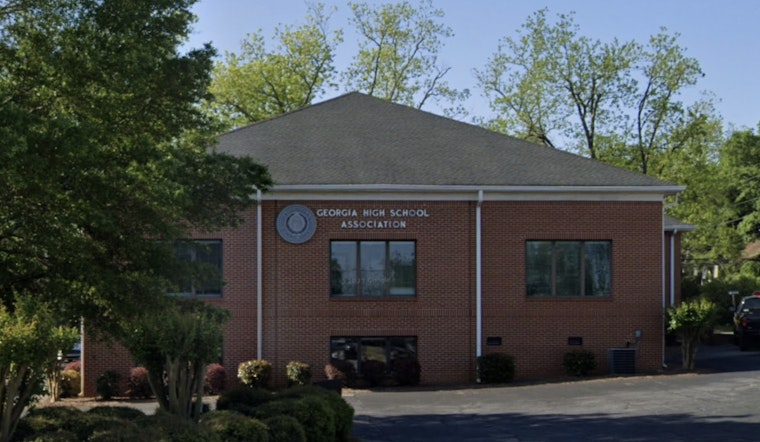
Twenty of Georgia’s smaller private schools are warning the state’s high school sports governing body to hit pause on its new playoff format or prepare for a fight at the Capitol and in court. The schools say a private-only playoff division for Classes 3A through A, set to start with the 2024–25 cycle, lumps very different campuses into one bracket and leaves the smaller programs at a disadvantage. They insist they want to stay in the Georgia High School Association but argue the reclassification process should treat each private school on its own, not as one big bloc.
Letter Puts GHSA On Notice
The demand arrived in a letter from attorney Gregg Clifton on behalf of the 20 schools, which The Atlanta Journal‑Constitution reports "stated 'we are prepared to consider all appropriate administrative, legislative, and judicial avenues available to protect the interests of our schools and student‑athletes.'" The signers include leaders from Athens Academy, Paideia, Trinity Christian and others, who told GHSA officials they would rather work things out inside the association, but want earlier and clearer input on how reclassification decisions get made.
How The New Rules Reshape Playoffs
The GHSA’s governing documents outline a reclassification setup that can place non‑public schools in Classes A, 2A and 3A into a single private postseason bracket while keeping regular region play mixed with public schools, according to GHSA. The same rules roll out a postseason ranking formula used to seed playoff fields in the affected classifications, a system association officials say is meant to sort out the best teams for bracket sports.
Private Schools Have Already Been Walking
The playoff shift has not happened in a vacuum. A steady stream of private schools has already left GHSA for other leagues, a trend that school leaders say shows what is at stake if they cannot find common ground. Lists compiled by Georgia High School Football Daily show more than a dozen departures since 2022 as some private programs seek conferences that better match their enrollment and competitive goals.
GHSA Signals Willingness To Talk
Darlington head of school Brent Bell, who presented the group’s case to the GHSA executive committee, said he is aiming for conversation, not confrontation. "I don't see the private schools suing the GHSA," he told the committee, explaining that the coalition mainly wants its individual members to have a real voice in how classifications are set. GHSA executive director Tim Scott told The Atlanta Journal‑Constitution that "They have a legitimate concern" and said the association would open discussions to explore how it can work with the affected schools.
Governance At The Heart Of Any Legal Fight
The schools’ complaint points to how power is distributed inside GHSA, arguing that public‑school members hold a decisive majority and that those votes are driving policies that fall hardest on private schools. That internal structure, combined with the current reclassification rules, would likely sit at the center of any administrative or courtroom battle over the playoff format, according to GHSA.
Clock Ticking On Next Realignment
GHSA realigns classifications every two years and usually finalizes the next cycle in the fall, so there is still a window for negotiations before the next reclassification vote lands. In the meantime, the association is rolling out its postseason ranking formula and other seeding changes meant to standardize how bracket sports are selected and seeded, a process that has drawn plenty of local attention.
For now, the standoff remains a high‑stakes negotiation. The smaller private schools are pushing for case‑by‑case treatment inside the system, while GHSA is trying to balance competitive equity across hundreds of members. If talks stall, the threat on the table is clear: legislation or legal action that could change how Georgia crowns its high school champions.





