

























































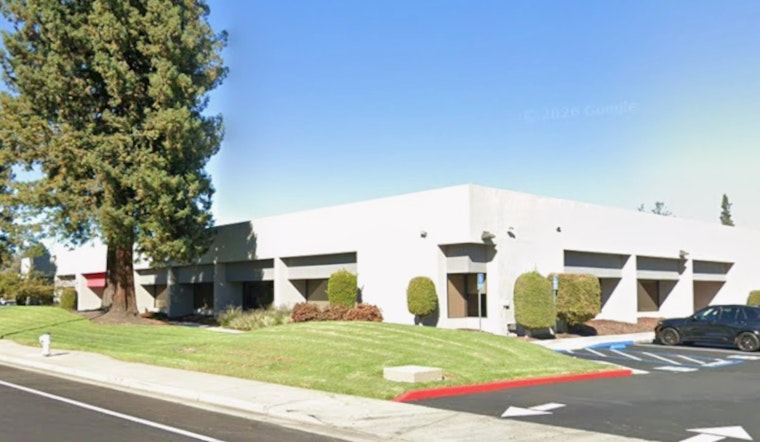
Cerebras Systems, the Sunnyvale chipmaker known for its wafer-scale AI processors, has filed a public registration statement with the SEC last Friday, to pursue a Nasdaq listing under the ticker CBRS. The new S-1 gives potential investors a far more detailed look at a company that says it grew rapidly in 2025 and has pivoted hard toward inference cloud services. The move follows a pulled application last year and puts the Bay Area firm back in the spotlight as investors look for an alternative to GPU-based AI infrastructure.
In its announcement, Cerebras confirmed the Form S-1 filing and said it intends to list its Class A common stock on the Nasdaq Global Select Market, naming Morgan Stanley, Citigroup, Barclays and UBS as lead book-running managers, according to Cerebras. The company said the share count and price range will be set in later amendments and emphasized that the offering remains subject to market conditions. Management highlighted the CS-3 systems and wafer-scale engine architecture as the backbone of its hardware and cloud strategy.
Numbers That Jumped Off The S-1
The filing shows a sharp jump in the top line. Cerebras reported roughly $510 million in revenue for 2025 and disclosed a marked swing in its reported GAAP results, according to reporting based on the registration statement. Reuters highlighted the year-over-year growth and the gap between GAAP and non-GAAP measures that exclude stock-based compensation and other adjustments. Those figures give Cerebras a very different public-market narrative than the one investors saw in its 2024 paperwork.
The OpenAI Deal That Changes The Pitch
A big part of the renewed buzz around Cerebras is a multiyear compute partnership first reported earlier this year. Sahm Capital described OpenAI’s commitment as a multibillion-dollar, 750-megawatt program worth more than $10 billion. That commercial anchor, along with a subsequent late-stage round, helped support a private Series H that closed at about $1 billion and put the company at a roughly $23 billion post-money valuation, according to its funding announcement on Business Wire.
Data-center buildout and the move to inference cloud
Cerebras is betting that physical scale will matter as much as clever chip design. The company has been building out inference data centers and announced multiple new sites in 2025, including the Bay Area and other U.S. locations, as well as planned facilities in Canada and Europe, as it pushes a wafer-scale inference cloud, according to coverage by Data Center Frontier. Those facilities are central to Cerebras’ claim that wafer-scale systems can deliver significantly lower latency than traditional GPU clusters for inference workloads.
Regulatory history and concentration risk
The refiling follows a rough regulatory detour. Cerebras withdrew a previous public filing last year after a CFIUS review tied to an Abu Dhabi-linked investor and a large UAE customer, a review noted in public reporting on the company’s earlier S-1, according to Reuters. The new registration statement highlights efforts to diversify revenue and secure contracted forward commitments, but it also makes clear that the business still depends on a small group of very large customers, a concentration that analysts are likely to scrutinize closely once roadshow materials appear.
What to watch next
Cerebras left both the number of shares and the price range blank in its initial registration. Bankers and the SEC review will help determine timing and terms, and the company and its underwriters typically schedule a roadshow and pricing once the filing has matured, with market conditions driving exact dates, according to S-1 coverage on TradingView. For South Bay engineers and investors, the document is a rare chance to dig into Cerebras’ unit economics and contracts and to see whether wafer-scale inference can ramp fast enough to match the expectations now baked into the paperwork.





