

























































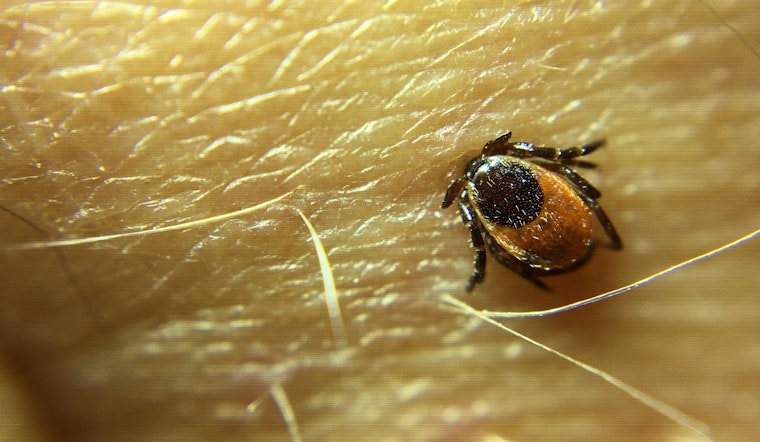
Ticks are having a banner year in Middle Tennessee, and emergency rooms are feeling it. Doctors in Nashville and public-health officials say a sharp jump in tick activity this spring is driving more people to local ERs at rates not seen in nearly a decade. Warm, dry weather and early leaf-out have pushed ticks and their animal hosts closer to yards, trails, and parks, so casual time outdoors is turning into surprise encounters.
National surveillance numbers back up what local clinicians are seeing. Emergency department visits for tick bites have climbed fast, reaching levels the Centers for Disease Control flags as unusually high for this point in the season, according to the CDC. Those syndromic dashboards pull in near-real-time ER reports and are a key early warning system when tick activity spikes.
“This is the season for tick activity, the weather is starting to warm up,” said Cosby Stone, an allergist at Vanderbilt University Medical Center, in an interview with WSMV. Stone noted that animals moving around earlier in the year, paired with taller spring grass, give ticks more chances to latch on to people.
Health experts told WSMV that a dry winter may be fueling the uptick, and recent regional counts in the Southeast show at least 16 hospital visits tied to tick bites this spring. Local clinicians say those visits can reflect straightforward bites that need removal, direct infections, or complications that develop after delayed treatment.
Where The Surge Is Strongest
Although the trend is national, some regions are getting hit harder than others. Northern and northeastern states have seen the biggest relative jumps so far, with ER visits for tick bites last summer climbing to levels not reported since the late 2010s, according to reporting from FOX 5 New York. Which tick species dominate locally and how winter weather played out seem to shape how intense the surge is from place to place.
How To Protect Yourself
Public-health guidance leans heavily on prevention. The CDC recommends using EPA-registered insect repellents, treating clothing and gear with permethrin, wearing long sleeves and tucking pants into socks, and steering clear of tall grass and brush when possible. A quick shower after coming indoors and thorough tick checks on kids, adults and pets can catch any hitchhikers before they settle in.
If You Find A Tick
If you spot a tick attached to the skin, time matters. Remove it promptly with fine-tipped tweezers, grabbing the tick as close to the skin as possible and pulling straight up with steady pressure, then clean the bite area and your hands, the Mayo Clinic advises. Keeping a photo or the tick itself can help with identification later. Watch for fever, a spreading rash or flu-like symptoms in the following weeks and call a healthcare provider if anything develops.
Local Context
Vanderbilt clinicians have long treated tick-related problems such as alpha-gal syndrome and Lyme disease, and specialists there are urging Middle Tennessee residents who spend time outdoors to stay particularly alert this season, according to Vanderbilt Health. Anyone worried after a bite is advised to contact a primary-care doctor, and to seek emergency care right away if serious symptoms appear.



