

























































Brixmor Property Group has hauled the Village of Tinley Park into federal court, arguing the suburb’s temporary freeze on new grocers derailed the company’s plan to re-lease a major anchor space at Tinley Park Plaza. At the center of the fight is a vacant, grocery-sized bay in a heavily trafficked shopping center, setting up a clash between a national retail landlord and a village in the middle of rewriting its development playbook.
The Filing In Federal Court
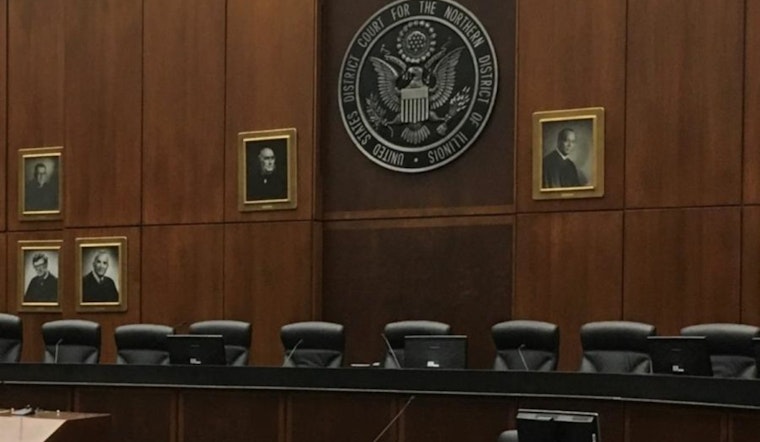
Court records show the complaint was filed March 24, 2026, in the U.S. District Court for the Northern District of Illinois, where Brixmor is asking a judge to spell out its rights under earlier redevelopment agreements. The docket lists the plaintiff as Brixmor/ia Tinley Park Plaza, LLC and includes exhibits tied to prior approvals, according to Justia.
What’s Sitting Empty At Tinley Park Plaza
The shopping center at 15917 South Harlem Avenue spans roughly 241,000 square feet, according to Brixmor’s own materials, with a roughly 38,436-square-foot anchor currently being marketed as available. That grocery-sized bay was constructed as part of a multi-phase overhaul of the plaza and now stands as the single largest vacancy Brixmor is trying to fill, according to Brixmor.
Amazon’s Pullback Left The Anchor Dark
Earlier this year, Amazon announced a nationwide pullback of its Amazon Fresh and Amazon Go store formats, closing all 72 locations and shifting resources toward Whole Foods and delivery instead. That move emptied dozens of suburban grocery shells across the country and put landlords on the clock to refill large-format spaces, according to GeekWire.
Brixmor’s Claims And The Village’s Response
In its lawsuit, Brixmor contends Tinley Park violated a 2020 tax-increment financing agreement by failing to “cooperate fully” on permits and reimbursements and argues it has vested rights that should shield the project from the village’s grocer moratorium. The company says the village emailed on Feb. 17 to say it would reject any applications for a new grocer and claims enforcement of the six-month pause would undermine the TIF’s terms. Village Manager Pat Carr, through an attorney, has reportedly dismissed the lawsuit as meritless and a misuse of taxpayer dollars. Those allegations, the Feb. 17 correspondence and the village’s response are detailed in reporting by The Real Deal.
Why The Village Hit Pause
Tinley Park officials have said the moratorium was meant to be a short, strategic timeout so the village could rethink where and how it allows certain uses while a new comprehensive plan, branded Tinley in Tune, comes together. Local reporting notes that the board approved a six-month halt on certain licenses and discretionary approvals, then later carved out exceptions after property managers warned of unintended fallout for existing centers, as reported by Daily Southtown.
The Legal Angle
Brixmor has framed the case as a request for a federal court declaration that its land-use approvals and TIF protections allow it to re-lease the grocery shell despite Tinley Park’s moratorium. The complaint is on file in the Northern District of Illinois and could end in a dismissal, a settlement, or a ruling that clarifies how local moratoria line up against TIF commitments and vested-rights claims, according to the docket on Justia.
For now, the case highlights a familiar post-Amazon headache: big-box anchor spaces left dark by a national tenant and a local government trying to juggle redevelopment goals with neighborhood priorities. Whether Tinley Park extends its pause, hammers out a compromise with Brixmor, or waits for a judge to call the play will decide how, and who, fills the 38,000-square-foot hole at 15917 South Harlem Avenue.




