

























































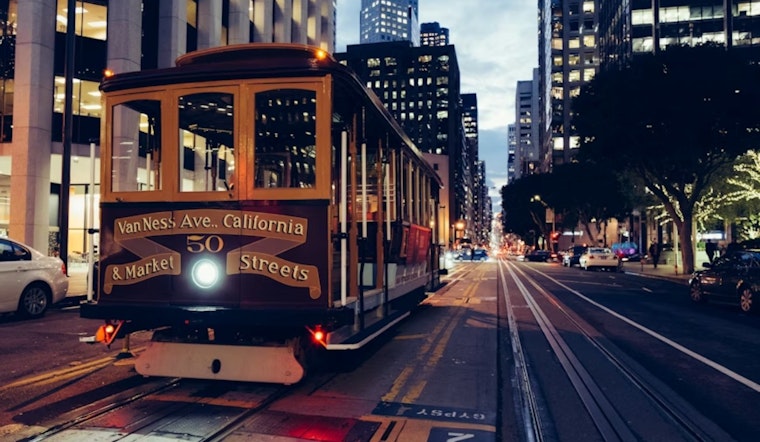
Tourists left a hefty $14.2 billion in San Francisco in 2025, edging up from $13.8 billion the year before, even as some big-spending international visitors pulled back. Statewide, travel spending in California climbed to $158.9 billion, according to the latest estimates, while international visitors spent about $1 billion less than they did in 2024. Adjusted for inflation, that statewide gain works out to a modest real increase of roughly 0.8%.
As reported by the San Francisco Chronicle, those topline numbers come from estimates developed by Dean Runyan Associates for the state’s tourism industry. Caroline Beteta, CEO of Visit California, said in a statement that "tourism remains an incredibly resilient pillar of California’s economy," a reminder that visitor dollars are still shoring up city and state budgets even if the growth is slower than some hoped.
Numbers and jobs
The report shows that California added roughly 4,350 travel-related jobs in 2025, bringing travel-supported employment statewide to about 1.2 million. San Francisco accounted for roughly 55,400 of those jobs, underscoring how deeply the city’s workforce is tied to visitors checking in, eating out and lining up for attractions.
The state also booked about 1.2 million additional hotel room nights even as national hotel room demand slipped about 0.5%. Those details come from a report by Visit California, which paints a picture of California outperforming the national trend, at least when it comes to filling hotel beds.
International visitors dipped
International visitors spent roughly $25 billion in California in 2025, about $1 billion less than in 2024, and most major source markets pulled back. One notable exception: visitors from the Middle East, whose spending rose 13.9%, according to the reporting.
Analysts and local observers linked part of the overall international drop to political headwinds and travel apprehension tied to federal immigration policy, the San Francisco Chronicle reported. In other words, some overseas travelers are still wary of navigating the policy climate, even if California itself remains a draw.
Big events are coming
The Bay Area is about to get a high-profile boost: the region will host both a Super Bowl and FIFA World Cup matches this year, an unusually stacked sports calendar that organizers say should keep hotels and restaurants buzzing well into the summer.
The Bay Area Host Committee has framed 2026 as a major economic opportunity for local tourism businesses and community partners, arguing that the packed calendar could help turn one-off spikes into longer bookings. Organizers expect those events to shore up domestic demand even as some international markets continue to lag.
What it means for local businesses
For hotels, restaurants and small retailers, the gains are real but uneven. Stronger domestic spending and event-driven nights have lifted revenues, but inflation and fewer high-spending international visitors have kept totals below pre-pandemic peaks on an inflation-adjusted basis.
That cautionary note shows up in Visit California’s analysis, which characterizes the real increase as modest once inflation is taken into account. Local operators told reporters they are watching closely to see whether the upcoming marquee events translate into longer stays and repeat visits, rather than quick in-and-out trips.
Dean Runyan Associates prepared the underlying estimates, using industry and government data to model local impacts and employment effects. For now, the numbers point to an uneven recovery: domestic travelers are carrying much of the rebound while international dollars lag, and local officials say they will be tracking the next few months carefully to see whether the trend holds.



