

























































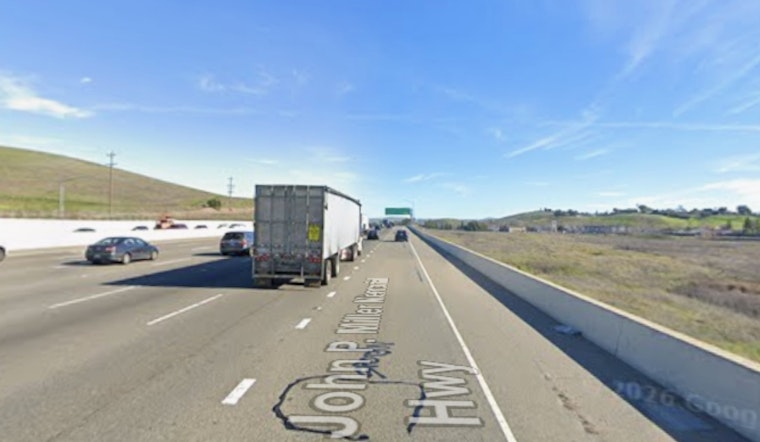
The Tri‑Valley is inching closer to a dedicated rail line that could finally let Central Valley commuters trade the daily I‑580 crawl for a train ride into the Bay. The proposal, called Valley Link, would tie the Dublin‑Pleasanton BART station to Altamont Corridor Express service at Livermore’s Vasco Road platform, creating a new transfer point in the Tri‑Valley. Backers say the phased rollout is meant to speed construction and deliver at least some short‑term relief for commuters stuck in traffic over the Altamont Pass.
Plan details
According to the Valley Link project page, Phase 1A would run largely in the Interstate 580 median from the Dublin‑Pleasanton BART station to just east of Livermore’s First Street overcrossing, then peel off on a flyover to a new Vasco Road connection with ACE. The initial segment is planned to include three new stations, a Livermore operations and maintenance facility, and battery‑electric multiple‑unit trains with charging infrastructure. Project documents outline peak‑period service frequencies and forecast long‑term ridership in the tens of thousands of trips per day by 2040.
Why Tri‑Valley leaders back it
Supporters say the line would finally fill a decades‑long gap left after BART declined to extend service into Livermore, while creating a more direct rail pipeline between the Central Valley and the Bay Area. As reported by the San Francisco Chronicle, project leaders argue Valley Link would let ACE riders transfer to BART at Dublin‑Pleasanton and help shave time off commutes that now slog over the Altamont Pass. Critics are not convinced the added transfers and high costs will be enough to pry habitual drivers out of their cars.
Where the environmental review stands
According to the Federal Transit Administration, final environmental actions have been issued for the Dublin/Pleasanton to Mountain House segment and a limitation on claims has been activated, which restricts legal challenges to that decision. The FTA notice lists Dublin, Pleasanton, Livermore and Mountain House as part of the approved corridor and sets procedural deadlines for any appeals. Valley Link officials say securing this federal clearance strengthens their hand as they go after competitive construction grants.
Timeline and money
Backers estimate Phase 1A will need sizable state and federal grants on top of local contributions, with early cost estimates in the low‑ to mid‑billions depending on the final alignment. The San Francisco Chronicle reported that project leaders hope to wrap up final design by late 2027, start construction in the following years, and launch initial service in the early 2030s, although every part of that timeline depends on funding. With other BART extensions, high‑speed rail work and Caltrain projects all chasing the same dollars, grant money is expected to be fiercely contested.
What's next for riders and residents
As noted in a KTVU video posted April 14, 2026, officials are pitching Valley Link as a way to cut daily congestion, trim greenhouse‑gas emissions and better connect housing and jobs across the broader megaregion. In the coming months, the authority plans to keep up community outreach, lock in station locations and sharpen grant applications. Its website carries meeting calendars and environmental documents for anyone who wants a deep dive. Local leaders say upcoming public meetings will be the place to hash out tradeoffs around parking, transfers and neighborhood impacts.
If Valley Link lands the funding and final approvals it needs, Tri‑Valley commuters could gain a low‑carbon alternative to the I‑580 slog. Until then, the project still has to win over grant panels and, ultimately, convince thousands of drivers that it is worth leaving the freeway for a train. Expect the next few board meetings to zero in on funding strategies and design choices that will determine whether riders actually show up when the line opens.





