

























































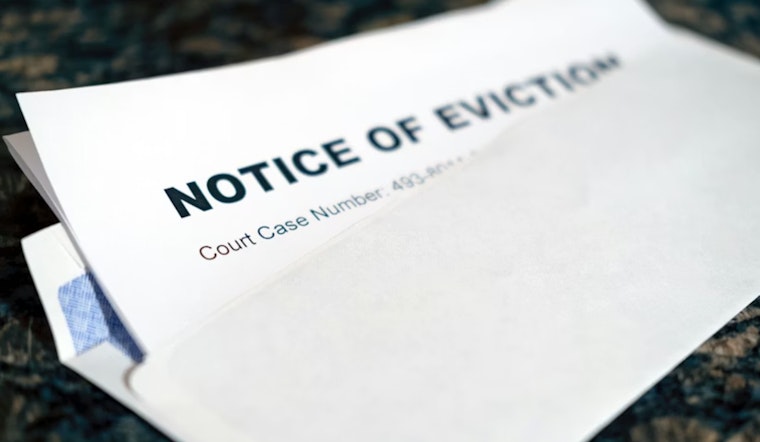
Debt buyers are dragging old second mortgages out of the grave in Chicago, hitting homeowners with surprise payoff demands and fresh foreclosure filings tied to loans many thought were wiped out years ago. The new letters often tack years of retroactive interest and opaque fees onto tiny leftover balances, turning a long-forgotten lien into a serious threat to keeping or selling a home. For Chicagoans who rode out the housing crash or accepted modification deals, the paperwork can feel like a horror sequel that no one asked for.
As reported by The Real Deal, buyers of so-called "zombie" mortgages have filed a wave of foreclosure actions across Chicagoland after snapping up pre-2008 second liens for pennies on the dollar. Those investors are now seeking payoffs that can include years of accrued interest and fees, and local attorneys say the sudden demands have pushed homeowners into court battles or pressured cash-out settlements.
Where the debts came from
Many of these liens date back to mid-2000s piggyback loans and home equity lines of credit that lenders effectively wrote off after the 2008 crash. A Bloomberg investigation found roughly 600,000 pre-2008 second mortgages still outstanding nationwide and detailed how collectors buy dormant portfolios, then push for back interest, negotiated settlements, or, if that fails, foreclosure.
Chicago attorneys pushing back
Chicago attorneys, including Dan Edelman and Damon Ritenhouse, say they are challenging these cases in local courts by raising Truth in Lending Act defenses in situations where servicers stopped sending the required periodic statements. Andrea Bopp Stark, a senior attorney at the National Consumer Law Center, told Crain’s that "the loans went dormant because there was no equity in the properties," as reported by The Real Deal. The legal arguments often center on whether lenders provided the proper notices and billing before trying to accelerate long-quiet debts.
Regulators take notice
The Consumer Financial Protection Bureau has warned that servicers generally must provide periodic statements and ownership notices, and that trying to collect on long-dormant second liens can raise concerns under both the Fair Debt Collection Practices Act and the Truth in Lending Act. Sen. Elizabeth Warren has requested loan-level records to determine whether banks treated some second liens as extinguished under the 2012 National Mortgage Settlement while at the same time selling them to debt buyers, her office wrote.
What homeowners should do?
Consumer advocates urge homeowners not to send money right away and instead to demand written proof of who owns the loan, a full payoff statement, and the complete chain of assignments before engaging. The National Consumer Law Center offers checklists and sample letters, and recommends gathering modification agreements, tax forms such as 1099-Cs, and any bankruptcy records, then contacting free legal aid or a housing counselor if possible.
Why now for Chicago
Rising home prices and recovered equity across the Midwest have created a profit opportunity that makes dormant seconds worth buying and enforcing. The National Association of Realtors' latest data show Midwest price growth outpacing some other regions, leaving more Chicago homeowners with equity that can be targeted by debt buyers.
The recent burst of filings has pulled lawyers and consumer groups into a fight that could shape how long-dormant second liens are enforced in Chicago courts. If a demand or foreclosure notice lands in your mailbox, advocates say to gather every piece of loan paperwork you have, avoid paying until ownership and amounts are clearly proven, and consider filing a complaint with the Consumer Financial Protection Bureau or contacting local legal aid for backup.





