

























































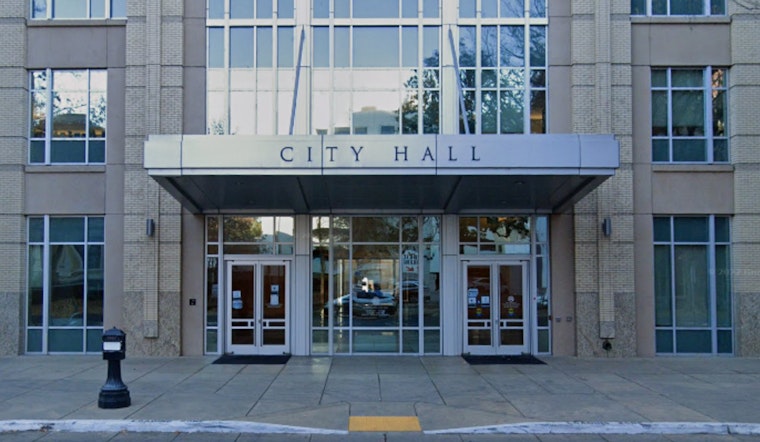
Sacramento drivers who like to “just stop for a second” in bike lanes or outside schools are about to get some very precise company. The City of Sacramento is expanding its AI-assisted parking enforcement, rolling out camera-equipped parking-enforcement trucks that will ramp up patrols around schools and in bike lanes across the city. Officials say three parking-enforcement vehicles will be outfitted with the new system and that the program will shift from warning notices to live citations beginning July 13, 2026. The move builds on a SacRT effort that already uses forward-facing cameras on buses to flag blocked bus stops and bike-lane obstructions.
According to a City of Sacramento resolution, the Automated Bus Stop and Bike Lane Enforcement Program, approved in December 2024, spells out how the system works: buses carry forward-facing cameras, images are securely transmitted, and parking officers perform manual reviews before a ticket is issued. A first bus-mounted tech pilot highlighted the program’s original goal of keeping bike lanes clear of cars.
As reported by ABC10, this new phase will mount AI-assisted cameras on three parking-enforcement vehicles, with an early focus on school zones in District 1 and bike lanes citywide. Councilmember Lisa Kaplan told the station the expansion is aimed squarely at safety for kids walking or biking near schools. City Traffic Engineer Megan Carter added that vehicles blocking bike lanes “force people into traffic” and cut visibility along already busy routes.
At the same time, the City Council has hiked the fee for parking in a bike lane from $50 to $150. Those higher fines kick in July 1, according to The Sacramento Bee. City officials say the timing is intentional, lining up the tougher penalties with the broader automated enforcement in hopes of nudging drivers into better habits.
How the AI Cameras Will Bust Blocked Lanes
The Sacramento Regional Transit District explains that bus-mounted, forward-facing cameras capture short video clips and license-plate images whenever a vehicle blocks a bus stop or bike lane. Those clips are sent to the city’s citation server, where parking staff review the footage before any ticket goes out. The agency notes that warnings for blocked bike lanes started in April 2025 and that citations for bike-lane violations followed in June 2025 as the pilot shifted from gentle reminders to actual enforcement.
What the Numbers Say About Driver Behavior
The program is already operating at a sizable scale. According to ABC10, the city issued more than 32,000 bus-stop violation citations and over 25,000 bike-lane citations between June 14, 2025, and May 12, 2026. City officials point to those figures as a key reason for expanding enforcement beyond transit vehicles and onto dedicated parking-enforcement trucks.
Support, Skepticism, and Surveillance Worries
Cycling advocates and transit riders have been generally supportive, arguing that keeping bus zones and bike lanes clear is basic safety, not a luxury. Privacy and civil-liberties groups are less enthusiastic, warning that automated enforcement can function as wide-angle surveillance and should be tightly monitored and audited. Streetsblog California has outlined both the safety benefits and the open questions around the role of vendors, including Hayden AI, the company that supplies the camera platform used in the transit phase.
What Drivers and Parents Need to Know Now
Live citations are scheduled to begin July 13, 2026. After that date, drivers who stop or park in marked bike lanes or designated school-zone areas can expect to see the newly set $150 fine. Anyone who receives a notice can contest it or set up zero-interest payment plans through the city’s parking portal at sacpark.org, which the city has designated as the hub for citation services and appeals.
City and transit leaders frame the rollout as a safety-first push to protect kids, cyclists, and transit riders. Critics argue the technology is only part of the solution and that Sacramento still needs more protected bike infrastructure and on-the-ground enforcement to create truly safe streets. The Sacramento Regional Transit District and city officials say their broader strategy targets problem corridors, school approaches, and transit stops where blocked lanes have repeatedly created hazards.




