

























































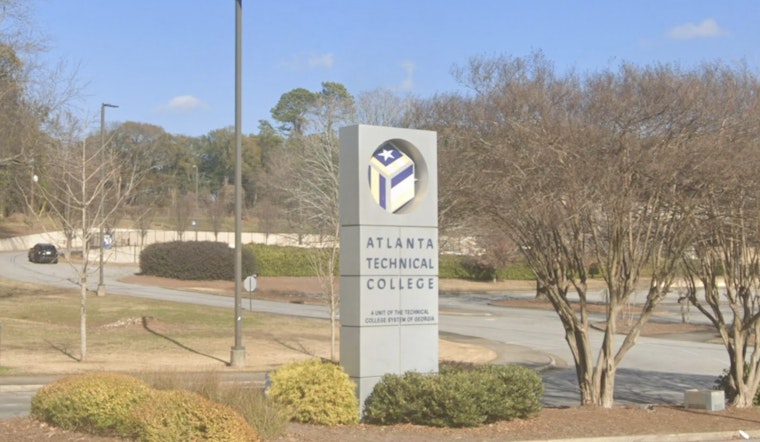
As AI-fueled layoffs cut through the tech sector, Atlanta is trying to turn the chaos into a pipeline strategy. On May 20, Atlanta Technical College cut the ribbon on a new Microsoft Datacenter Academy, pitching hands-on server and infrastructure training as a relatively quick route into cloud and data center work. The launch lands at a moment when big tech firms are shrinking office headcounts even as they pour billions into AI compute and new facilities, raising familiar questions about whether certificates and short courses can really deliver steady, long-term careers.
Microsoft Datacenter Academy opens in Atlanta
Atlanta Technical College and Microsoft unveiled the training lab last week, describing a program that includes simulation servers, industry mentors and scholarship support. According to Atlanta Technical College, the launch received more than $800,000 in backing, and the curriculum is designed to cover data center operations, networking and cybersecurity.
Data-center boom, but many jobs are temporary
Metro Atlanta has quietly become one of the country’s fastest-growing data center hubs, with a thick pipeline of new facilities and large power commitments, according to CBRE. Goldman Sachs research notes that construction roles tied to the data center buildout have climbed by roughly 216,000 since 2022, a surge that produces a wave of short-term jobs for builders and contractors but far fewer permanent operations roles once the sites are up and running.
The paradox: cuts while builders hire
Even as hyperscalers race to add compute capacity, some of the same companies have been trimming staff. Meta, for example, moved to cut about 10% of its global workforce as it reorganized around AI, according to TechCrunch. That combination of heavy capital spending on hardware and fewer white-collar roles is helping fuel demand for fast retraining programs in Atlanta and beyond.
Why training alone may fall short
Researchers caution that “AI literacy” is a moving target and that course completion does not automatically turn into stable work. The Data & Society Research Institute found that many programs prioritize familiarity with specific tools rather than any guaranteed placement. Anuli Akanegbu, who studied Atlanta workforce programs, told The Atlanta Journal-Constitution, "Is learning AI or upskilling in AI going to guarantee you your next job? No."
Local wins, local limits
There are already bright spots for some students. The Atlanta Journal-Constitution reports that Cody Jackson, a Microsoft Datacenter Academy scholar at Atlanta Technical, is set to graduate this summer and has received a job offer from Microsoft. The paper also notes that the college reports roughly a 90% placement rate across its programs. Those outcomes matter for local families, but researchers stress that such success is not evenly distributed across programs, neighborhoods or demographics.
What needs to change
Policy experts argue that training efforts need to be paired with concrete employer commitments, paid apprenticeships and clear hiring pathways instead of standing alone as one-off certificates. The Brookings Institution warns that AI-related gains tend to cluster in a small number of metros, so local initiatives must be built around real regional hiring patterns if they are going to support long-term mobility.
The Microsoft lab is a practical step for Atlanta, giving students access to real equipment and industry ties. Experts and advocates say the harder challenge is turning those classroom hours into actual job offers rather than just another round of résumés padded with AI-related buzzwords. That, they argue, will require coordinated commitments from employers, stronger apprenticeship pipelines and public policies that link training funding to measurable placement outcomes.





