

























































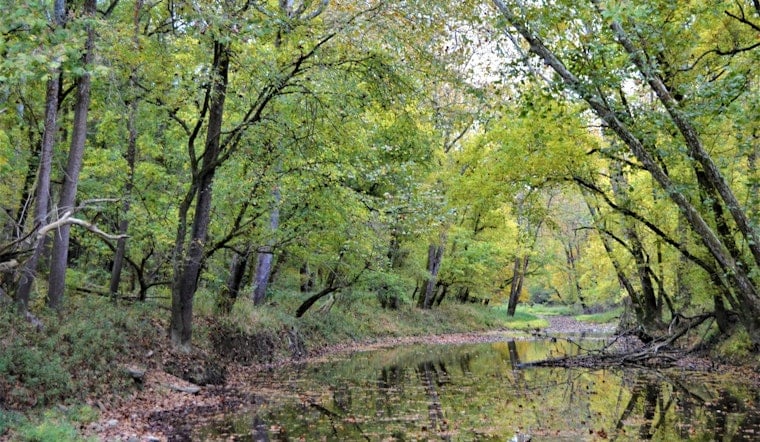
The future of Big Oaks National Wildlife Refuge, Indiana’s largest refuge spread over roughly 50,000 acres of the old Jefferson Proving Ground, is suddenly up in the air. Federal and military officials are renegotiating the longstanding deal that lets the U.S. Fish and Wildlife Service manage the land, a behind-the-scenes shuffle that could change how and when people are allowed onto parts of the refuge. It also throws a spotlight on the refuge’s tiny staff and thin budget, and local conservation groups and elected officials say they are pressing to keep both habitat protection and public access intact.
According to reporting by IndyStar, regional U.S. Fish and Wildlife Service officials say they are working to keep the land open to visitors while FWS and the U.S. Army revisit the memorandum of agreement that created Big Oaks. The paper cites Army official Will Meeks, who wrote in an April 8 email that “simply stated, current realities create challenges in our ability to meet the remaining obligations in the agreement,” and it notes that Rep. Erin Houchin told the outlet the refuge is not closing even as negotiations continue. Towns and elected representatives have sent letters seeking federal support and more money for the refuge, IndyStar reported.
The permit and memorandum of agreement that overlay the refuge on the proving ground spell out how the parties share the land and how that permit can end. As laid out in the Memorandum of Agreement, either the Secretary of the Army or the Fish and Wildlife Service can terminate the permit with 180 days’ written notice, and the document requires mandatory safety briefings and restricted zones because large parts of the property still contain unexploded ordnance and depleted uranium.
The U.S. Fish & Wildlife Service notes that Big Oaks spans roughly 50,000 acres across Jefferson, Jennings and Ripley counties and was established in 2000, but only a small portion is routinely open to visitors because of safety limits. Agency guidance requires visitors to check in and sit through mandatory safety briefings before entering public use areas, and the size of the staff helps determine how many tours and public programs can realistically be offered.
Local advocates say limited staffing and funding already keep operations on a short leash. The Big Oaks Conservation Society, which helps run tours and care for the land, warns that volunteers are increasingly essential as FWS operations shrink, and IndyStar reported that the refuge now operates with only two full-time employees and one part-time staffer. Local leaders argue that such a lean operation makes the site more vulnerable to any shakeup in the agreement.
Why Access Is Limited
Big Oaks sits atop decades of weapons testing, and the Memorandum of Agreement notes that the Army has no plan or budget to remove all unexploded ordnance, meaning much of the site will never be cleared for broad public use. The same document also describes a roughly 1,033-acre air-to-ground training footprint used by the Indiana Air National Guard, and the refuge must schedule access and closures around ongoing military training and range operations.
What’s Next
What happens from here depends on whether the Army and FWS hammer out a new working arrangement or whether one of them pulls the 180-day termination trigger. Either path would set a clear timeline for officials and partner groups to react. The refuge’s Integrated Natural Resources Management Plan and other Department of Defense planning documents spell out the complicated coordination it takes to conserve habitat on active or former military lands, and those playbooks could shape both the negotiations and future funding requests. Advocates are urging Congress and state leaders to step up with additional funding and technical support so the refuge can keep up its limited public access and conservation work.
For now, Big Oaks remains open on a limited basis while talks continue, but its long-term public future will hinge on the legal terms that emerge, military training needs and whether more money flows to the site. The U.S. Fish & Wildlife Service posts the latest visitor guidance and public-use schedules for anyone planning a trip.


