

























































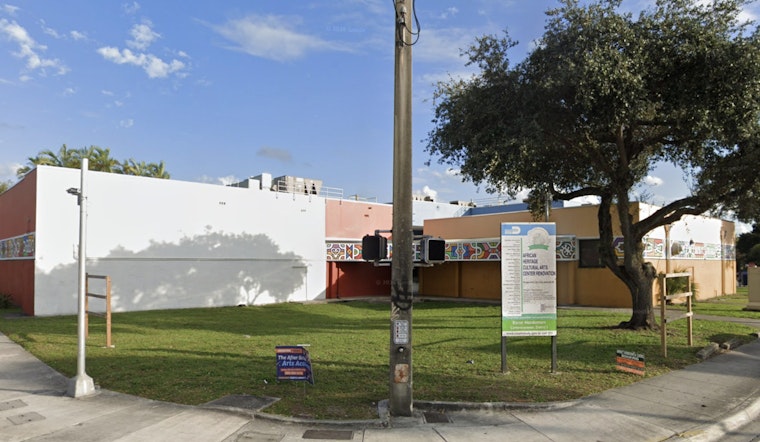
Dozens of Black Miami leaders and residents packed into the annual "State of Black Miami" town hall on Thursday, and the mood was anything but routine. Speaker after speaker warned that the tools the community has relied on to advise local government are shrinking. Attendees laid out what they described as long-standing exclusion in city and county hiring and mapped out plans for voter outreach and oversight. Many said this would be the Black Affairs Advisory Board's last official meeting under new statewide limits on diversity, equity and inclusion programs.
Voices at the town hall
According to Local 10, former state senator Dwight Bullard faulted elected officials for what he called a lack of advocacy for Black Miamians and asked, "Where is our strategic intervention as Black Floridians and Black Miamians irrespective of party affiliation?"
Liberty City activist Sharon Frazier pressed officials over recent high-level hires, questioning whether qualified Black candidates were seriously considered for Miami's city manager and police chief positions. Attorney Stephen H. Johnson pointed to institutional racism as the reason there were no Black cadets among Miami-Dade Fire Rescue’s newest recruits.
Board role and meeting place
Per the Miami-Dade County website, Pierre E. Rutledge chairs the Black Affairs Advisory Board, which meets monthly at the Stephen P. Clark Government Center and advises the Board of County Commissioners. The county notes that the board organizes the State of Black Miami forum and operates committees on education, housing, health and public safety, functions that leaders at the town hall said are now harder to carry out under the new restrictions.
How the state law shifted DEI rules
Local leaders at the forum traced the shake-up to statewide action. Florida's higher-education reforms (SB 266/HB 999), enacted in 2023, restricted the use of state and federal dollars for programs that "advocate for" diversity, equity and inclusion and authorized reviews of programs viewed as promoting identity-based curriculum. According to the Florida Senate bill page, that package rewrote how institutions and related advisory bodies can fund or staff DEI initiatives, a shift that has rippled beyond college campuses and into county advisory work.
Politics, maps and representation
Attendees also raised alarms about how redistricting has reshaped political representation, saying recent maps pack Black voters into District 20 and reduce their influence in neighboring districts. As reported by Local 10, some warned that longtime U.S. Rep. Debbie Wasserman Schultz could run in District 20, potentially complicating the path for Black Democratic candidates.
What's next
Organizers said they intend to convert the frustration in the room into concrete action: voter engagement drives, public-records tracking of government hires, and pressure on local officials to adopt clear, transparent hiring standards. They acknowledged the legal and political uncertainty ahead but urged residents to use ballots and oversight to defend their representation.
Christopher Simmons, principal of Care Elementary School in Overtown, told Local 10 that "When we don't see representation for us, it is hurtful." Organizers said they plan to channel that sentiment into voter outreach, close monitoring of appointments and sustained public pressure on officials in the weeks ahead.





