

























































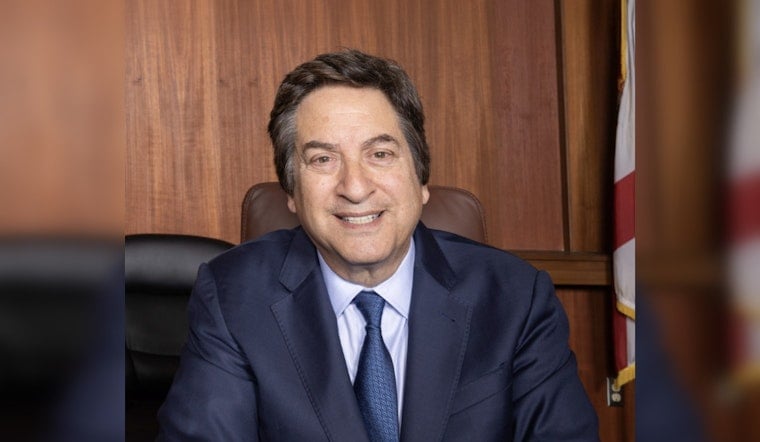
Broward County Mayor Mark Bogen is gearing up for another four-year term in 2026, and what might have been a routine re-election bid is shaping up as a legal stress test for the county’s term limit rules. The twist is timing: Bogen did not take his first commission oath until early January 2015 after a delayed 2014 race, and some attorneys argue that stretch may count as a partial term that does not legally register against the three-term cap. Combine that technical question with a fresh county attorney memo, and you have a campaign that may need a judge’s blessing before voters ever weigh in.
What the charter actually says
The county’s governing document gets very specific about how service is tallied. Section 2.02 of the Broward County Charter reads: “Service of a two-year term, or any other partial term subsequent to November 2000, shall not be considered in applying the term limitation provisions of this section.” That single sentence is the hinge point for those who say Bogen is still in the clear.
How the 2014 delay changes the math
Bogen’s first swearing-in did not happen in November like most commissioners. It came on Jan. 6, 2015, after litigation over a 2014 write-in candidacy pushed the District 2 general election into January, according to Broward County minutes. That odd calendar is tied to high-profile litigation over a write-in candidate that ultimately reached the Florida Supreme Court in Brinkmann v. Francois, which dealt with how delayed or write-in contests affect who is treated as a qualified candidate in election law disputes. The minutes and case history together sketch out the procedural mess that left Bogen taking office later than most of his colleagues from the 2014 cycle.
County attorney opinion, outside lawyers weigh in
According to reporting, Bogen went straight to Broward County Attorney Andrew Meyers to ask whether he could legally run again. A memo Meyers issued in December 2023 advised that Bogen is eligible to seek another term, and legal scholars contacted for that reporting described Bogen’s interpretation of the charter as strong. As Axios notes, law professor Michael Morley said Bogen has a “very strong” case, and Bogen himself has pointed to the charter’s partial-term language as his core defense. The county attorney’s written view carries weight at the government center, but the memo is advisory only and explicitly warns that it would not prevent a court challenge.
Possible legal fight ahead
If a challenger or watchdog group files suit, judges will be asked to decide whether Bogen’s 2015 start should be treated as a full term or as a partial stint that the charter says should not be counted. Florida courts have a history of untangling close-call timing and qualification disputes in tight races, so precedent from Brinkmann and related opinions would almost certainly show up in the legal briefs. A court could side with the county attorney’s reading and allow Bogen to stay on the ballot, or it could conclude that his years in office already max out the three-term limit and bar his candidacy outright.
The local stakes
Bogen represents District 2, which the county says “includes the cities of Coconut Creek, Margate and portions of Pompano Beach, Deerfield Beach and Coral Springs,” and he has used his time as commission chair and mayor to promote efforts that include expanded cardiac scanning and various local regulatory changes. Broward County’s District 2 page lays out those initiatives and highlights the neighborhoods that would feel the direct impact of any ruling on his eligibility.
Bottom line: Bogen is moving ahead with a 2026 campaign that might ultimately be decided more in a courtroom than at the ballot box. The county attorney’s memo gives him a plausible route to stay on the ballot, but the term limit question is clearly open to litigation and could change how Broward counts commission service going forward. Axios is tracking the memo, the expert views and any legal challenges as the filing and qualifying calendar draws closer.




