

























































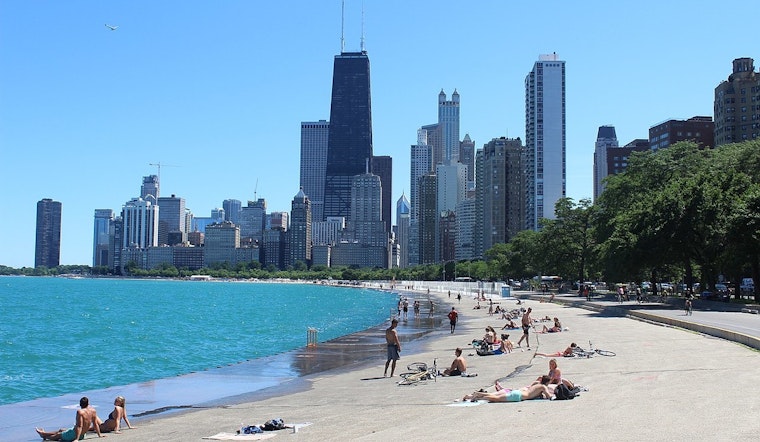
As Lake Michigan beaches open for the 2026 summer season across Chicago and the North Shore, state and county health officials are reminding swimmers that swallowing even a small mouthful of lake water can lead to recreational water illnesses, most commonly diarrhea, and in rare cases, more serious infections. Routine testing and advisory flags are already in place, but officials say simple habits such as not swallowing water and showering after a dip are still the easiest way to cut your risk. With warm weather finally arriving, public-health agencies are repeating a familiar warning: one careless gulp in the water can make you sick.
According to NBC 5 Chicago, local officials cautioned that "RWIs can spread if you swallow, have contact with, or breathe in mists or aerosols from water contaminated with germs," and area health departments point to diarrhea as the most common symptom. That guidance is part of a broader set of reminders rolled out this week as beaches reopened for the season.
What do officials mean by recreational water illnesses
The Illinois Department of Public Health explains that recreational water illnesses (RWIs) are caused by bacteria, viruses, and parasites that can live in pools, spas, water parks, rivers, and lakes. Common culprits include E. coli, Cryptosporidium, and Giardia, and, in rare warm-freshwater situations, organisms like Naegleria fowleri. Symptoms can range from stomach cramps and diarrhea to skin, ear, or eye infections and even respiratory illnesses. For more background and prevention tips, see the Illinois Department of Public Health.
When to skip the swim
Health departments routinely advise staying out of the water after heavy rainfall, since runoff can wash pollutants and bacteria into nearshore areas. The Lake County Health Department notes that Lake Michigan beaches are sampled multiple times each week and that managers post advisories or closures when tests exceed state thresholds, including single-sample action levels such as 235 E. coli/100 ml used to trigger postings. The Chicago Park District also updates swim conditions daily and uses a flag system to warn the public when water quality or surf conditions are unsafe.
Which beaches are already flagged
The state’s Illinois BeachGuard system and local health pages list current contamination advisories and closures, and some North Shore beaches already have notices posted this week. Local reporting has pointed to an advisory at Elder Park Beach in Winnetka, a reminder of how quickly conditions can change and why it pays to check before you pack the cooler. For real-time listings, consult the state’s BeachGuard site along with local departments' swim reports.
How to protect yourself
Public-health guidance is straightforward: do not swallow recreational water, do not swim while you have diarrhea, shower with soap after getting out of the water, towel-dry thoroughly, and avoid nasal exposure in warm freshwater, where nose clips can help in rare Naegleria risk scenarios. These steps mirror national healthy-swimming recommendations from the Centers for Disease Control and Prevention along with local health department advice.
If you develop persistent diarrhea, fever, severe ear or eye pain, or other concerning symptoms after swimming, contact your health care provider. For up-to-date beach conditions before heading out, check the Chicago Park District swim report or your county health department’s beach-monitoring page.





