

























































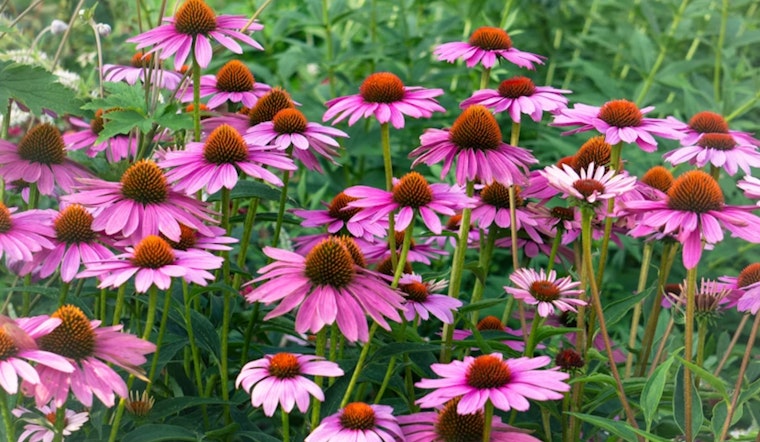
Chicago gardeners who prefer coneflowers over clipped turf just got a little backup from City Hall. The city's Native and Pollinator Garden Registry opened for applications on Monday, giving parkway and community gardeners a formal way to document native plantings and cut down on the odds of being ticketed as overgrown. To get on the list, gardeners have to submit site photos, a planting plan and a maintenance strategy before their plots are added to the official registry. On the same day, the City Council's Committee on Environmental Protection and Energy signed off on an amendment that would let registered parkway plants reach up to 36 inches tall, with the full council set to vote on May 20.
How To Apply
Gardeners apply through the City of Chicago's online form, which requires a photo of the site, a planting scheme, a three-year maintenance plan and a list of plants, according to the City of Chicago. The form also collects contact details and ward information, asks whether any fencing will exceed 10 inches and includes upload slots for a planting plan and any needed Public Way Use Permits. Applicants must include a property-owner acknowledgement, and the form lists a help email specifically for the registry.
Rules And The 36-Inch Change
The Committee on Environmental Protection and Energy voted Monday to move forward an amendment that would swap the current 10-inch cap for a 36-inch maximum on non-tree plants in registered parkway gardens, as reported by WTTW. The draft ordinance on file with the city lays out the specific edits to Section 10-32-055 and states that the change would take effect as soon as it passes, according to Chicago Councilmatic. Department of Streets and Sanitation officials told alderpersons they support the taller limit for conservation species such as purple coneflower and milkweed, and Ald. Brian Hopkins said it “makes no sense” to maintain a height rule that would effectively exclude core pollinator plants. Committee members were also told that the registry rules include buffer areas around hydrants and trees, restrict plant height near curbs and sidewalks, prohibit bird feeders and bird baths in registered gardens, and require permits for fencing taller than 10 inches.
What Registered Gardens Must Follow
Applicants have to agree to maintenance rules that call for picking up debris, keeping sidewalks and curbs clear of plant material and promptly removing weeds, according to the city application. They must upload a site plan and a three-year maintenance schedule as part of the review, along with a plant list and a signed property-owner acknowledgement. Once a garden is approved, it is added to a public registry that city staff can reference.
Background And Next Steps
The registry was signed off on by the City Council in fall 2021, but it did not reach the application stage until an advisory board was appointed in spring 2024, per the City of Chicago. Advisors and Streets and Sanitation officials told the committee they have been “proceeding deliberately” while building out the application and back-end systems, as reported by WTTW. With the committee's signoff, the ordinance update now heads to the full City Council for a May 20 vote. Gardeners who need help with the online form are encouraged to contact their ward office or email the registry at [email protected].





