

























































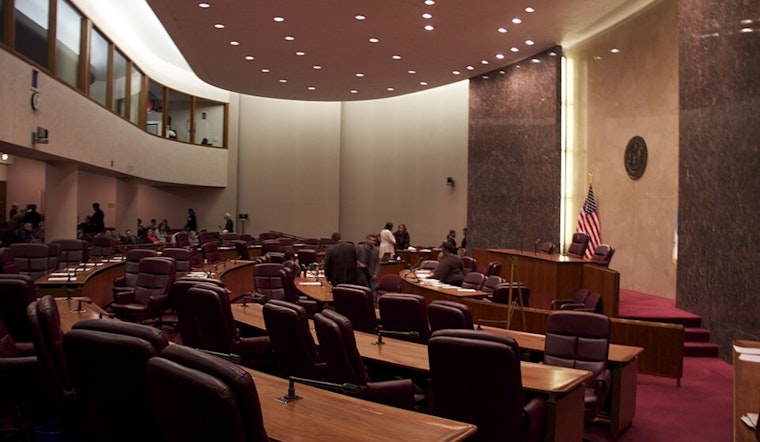
On Tuesday, the Chicago City Council’s License and Consumer Protection Committee signed off on an ordinance that would outlaw so-called sweepstakes gambling machines, sending the proposal to the full council for a final vote on May 20. The measure cleared the committee on a voice vote even as the mayor’s office and city licensing officials pressed for more time to sort through regulatory concerns.
Ald. Anthony Beale is sponsoring the plan, which targets devices that, although they resemble slot terminals, have long operated in a murky legal gray area inside gas stations and corner stores. The ordinance lays out a three-step enforcement ladder: a $1,000 fine per machine for a first offense with 30 days to pull the devices; a $2,000 fine per machine and a six-month business license suspension for a second violation; and, on a third strike, seizure of the machines and full license revocation. Business Affairs and Consumer Protection Commissioner Ivan Capifali told aldermen he wanted more time to refine the rules and warned the language could be “overly broad and burdensome,” while industry representatives said thousands of machines are still in operation across the city, according to the Chicago Sun-Times.
Supporters argue the ban would clear the field for the city’s newly authorized video gambling terminals, which were baked into Chicago’s 2026 budget, while critics warn that a hard stop on sweepstakes machines would squeeze small retailers that rely on them to bring in customers. The proposal now heads to the full City Council on May 20. The mayor has publicly insisted he has no formal position on the measure, even as his administration has raised red flags about the pace and scope of the crackdown, as reported by WTTW.
What the Ordinance Would Do
Beale’s amendment, listed in the License Committee docket as O2026-0024076, would amend the municipal code to outlaw ownership of sweepstakes devices and create civil penalties and license sanctions for anyone operating them. The measure would take effect 10 days after passage and would empower city inspectors to write fines, suspend business licenses, and seize machines under the municipal code. The ordinance appears on the committee agenda and was described in detail at the hearing, according to the Chicago City Clerk and reporting by the Chicago Tribune.
Why Aldermen Back the Ban
Backers say sweepstakes machines have mushroomed in South and West Side neighborhoods without paying gambling taxes or complying with the background checks and oversight required of licensed video gaming operators. “We’re turning a blind eye on an industry that has taken advantage of the South and West Sides,” Beale told the committee, casting the ban as both a fairness issue and a public safety move. Those arguments surfaced repeatedly in testimony and in local coverage, according to the Chicago Sun-Times.
Legal Implications
The city’s push comes as state regulators turn up the heat. In February, the Illinois Gaming Board and the Attorney General’s Office sent more than 60 cease-and-desist letters to online sweepstakes operators, and lawmakers in Springfield are weighing bills that would tighten the legal definition of gambling to explicitly cover sweepstakes platforms. If Chicago’s ban is approved, it would land on top of those state actions and proposals, raising practical questions about how city and state officials will coordinate enforcement. Those state efforts are detailed in a release from the Illinois Gaming Board and in a bill status overview from Illinois Casino Review.
The full City Council is set to debate the ordinance on May 20 under rules that let two aldermen delay a vote at that meeting, so the measure still faces a key floor test. If it passes, the tight enforcement timeline would force operators to yank machines quickly or risk escalating fines and license suspensions. Supporters say that would finally clear the market for regulated video gambling terminals, while opponents warn the shake-up could hit small businesses that leaned on sweepstakes traffic, as reported by WTTW and the Chicago Tribune.





