

























































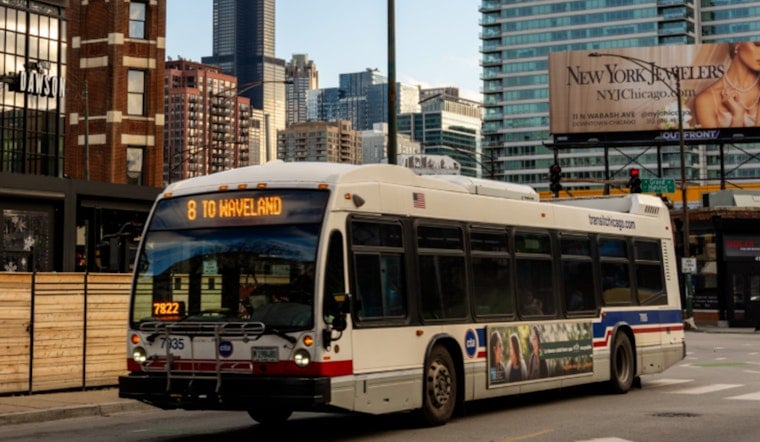
The Chicago Transit Authority has quietly given its 2025 ridership numbers a major makeover, tacking on roughly 19 million additional trips and pushing the yearly total to about 338 million. Most of that boost shows up on bus routes that crisscross the South and West Sides, reshaping how the system’s post‑pandemic recovery looks for some of the city’s most transit‑dependent neighborhoods.
CTA officials say the jump is not a sudden surge in riders but a change in how trips are counted after the agency installed new cash fareboxes and updated its internal factoring process. According to a March memo from the Chicago Transit Authority, the revision increased the 2025 total by 18.9 million rides, with bus ridership rising about 15.7 million and rail adding roughly 3.2 million.
How the new counting method works
The new approach pairs two systems. The agency describes it as an AFC/APC hybrid that combines automated fare‑collection data with onboard automatic passenger counts to capture trips that cash fareboxes miss. As the memo notes, "APC‑based ridership estimates are approximately 10% higher than totals recorded by the fare collection systems," a gap CTA says is largely driven by operator undercounting of unauthorized free rides. Chicago Transit Authority
Routes that saw the biggest jumps
The biggest numerical gains landed on several already busy bus corridors on the South and West Sides. As reported by CBS Chicago, the No. 79 (79th) gained about 1,100,000 additional rides (22.1%), the No. 4 (Cottage Grove) added roughly 893,800 rides (23.5%), the No. 20 (Madison) rose by about 731,900 (20.4%), the No. 67 (67th) increased by about 474,600 (26.5%), and the No. 87 (87th) by about 418,700 (20.8%). These routes serve neighborhoods long considered transit‑dependent, which helps explain why the revised method produced especially large changes there.
What advocates and data watchers say
Local transit advocates told reporters the revision does more than tweak a spreadsheet. It changes the story. One group noted that "the asymmetry in the counting error changes how we talk about CTA's recovery," since the old method tended to undercount trips in the very areas most reliant on buses. The agency walked through its methodology and results at a May Chi Hack Night session, and materials from that event note CTA has added a Paid vs. Underpaid breakout to its public monthly ridership reports so those patterns are easier to track. Chi Hack Night
Why the revision matters for planning and funding
The ripple effects go beyond bragging rights over recovery. The restatement could influence planning priorities and future regional funding debates as agencies and lawmakers reassess where service is most needed. Regional coverage and industry reporting had already flagged that transit ridership across the Chicago area was trending upward in 2025, and new governance and funding changes, including developments related to the Northern Illinois Transit Authority, are expected to shape budgets and service decisions in the coming years. Metro




