

























































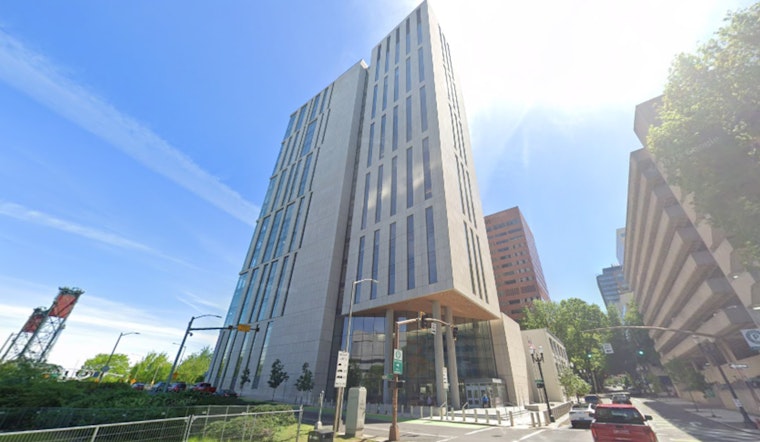
On eviction mornings in Portland, a free courthouse clinic is quietly acting as a last line of defense for renters on the brink of losing their homes. Volunteer attorneys and paralegals meet unrepresented tenants at the downtown Multnomah County Courthouse and at the East County courthouse, helping them negotiate with landlords, file key motions and, often, buy just enough time for rental assistance to land. The work has taken on new urgency as eviction filings climb and prevention dollars tighten across the region.
Representation Gaps Tilt the Scales
Local court numbers make the power imbalance clear. Last year, only about 13 to 17 percent of tenants facing eviction had a lawyer, while landlords had counsel in roughly two-thirds of cases, according to Multnomah County. That kind of gap helps explain why default judgments and hurried stipulations are still common outcomes, often saddling tenants with records that make the next apartment hunt even harder. The county’s own eviction data brief notes that dismissal and judgment rates shift significantly depending on case type and whether anyone in the courtroom has a lawyer.
How the Courthouse Clinic Works
The Commons Law Center’s Tenant Eviction Defense team runs short, high-intensity courthouse clinics tailored to tenants who show up without representation. Staff and volunteers are at the Multnomah County Courthouse on Mondays, Tuesdays and Thursdays, and at the East County Courthouse on Wednesdays. They offer brief advice, draft demand letters and, when capacity allows, step in for limited-scope representation.
As outlined by the Commons Law Center, tenants are urged to arrive early for their docket and bring all of their paperwork to the Crane Room intake area, where clinic staff triage cases in real time before tenants are called in front of a judge.
What Federal Evaluation Shows
The courthouse stories line up with what federal researchers have found. The U.S. Department of Housing and Urban Development’s evaluation of the Eviction Protection Grant Program concluded that tenants who received extensive legal representation were much more likely to avoid disruptive displacement, and that even brief legal services and counseling could measurably improve outcomes across different programs. The report also documents that program models vary, with some clients getting full representation and many others receiving only limited assistance, yet overall, legal services tend to improve housing stability for low-income households, according to HUD.
Money and Policy Are Squeezing Services
Advocates say the safety net that supports this work has been pulled tighter. State budget decisions cut eviction and homelessness prevention line items by roughly 75 percent in the 2025 cycle, a change that local providers say forced program reductions and opened gaps in rent-assistance pipelines. At City Hall, Portland’s City Council recently moved to send out a tranche of previously unspent housing money, part of a roughly 56 million dollar package. City materials show about 2 million dollars of that pot is slated for eviction-prevention efforts, yet providers say the one-time boost does not come close to replacing the lost state support, according to reporting from Willamette Week and KPTV.
Courts Are Busy and Outreach Is Stretched
The strain is visible inside the courthouse system as well. County budget and program documents report more than 11,000 eviction cases filed in the most recent fiscal year. Those same materials describe court-outreach slots at the downtown and East County courthouses, where tenants can be funneled to rental assistance and legal referrals on the spot. That operational crunch helps explain why brief, on-site legal clinics are being placed where dockets are heaviest, according to a program description in a Multnomah County offer.
Courtroom Stakes Are High
Inside the courtroom, judges routinely remind tenants that anything they agree to on the record is enforceable law. Payment-plan settlements, known as stipulations, can quickly turn into eviction judgments if a tenant misses a single payment. Tenants who spoke with reporters have described the clinic as the difference between leaving with a workable payment plan and walking out with a judgment that follows them to every future rental application. On-the-ground interviews and courtroom exchanges are detailed in coverage from KPTV.
Where Tenants Can Get Help
Tenants headed to first-appearance dockets can check the Commons Law Center’s Tenant Eviction Defense page for courthouse clinic hours and intake instructions, reach out to the Portland Housing Bureau’s eviction-legal-support resources, or dial 2-1-1 for referrals to Bienestar de la Familia and other local rent-assistance partners. Multnomah County’s Bienestar program and county rent-assistance webpages explain how to apply for emergency help and case management, with intake and referral information available from the Commons Law Center, the Portland Housing Bureau and Multnomah County.
Legal Note
Eviction judgments and money awards typically remain public records unless they are sealed. Oregon law directs courts to set aside and seal certain old eviction judgments, for example some judgments that are at least five years old where money awards have been satisfied, under ORS 105.164. Tenants who want to confirm whether a case has been sealed or whether they qualify for a set-aside order can consult the Oregon Judicial Department’s eviction set-asides guidance from the Oregon Judicial Department.





