

























































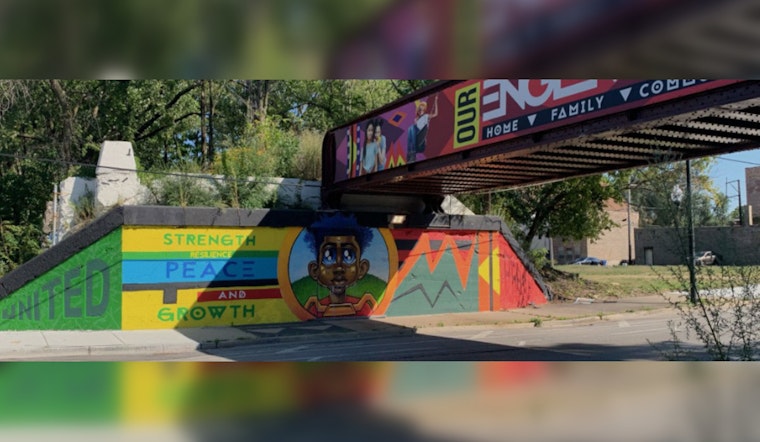
After years of talk, Englewood’s elevated nature trail finally has a rough construction clock. Major work is now penciled in to start in 2027, with planners eyeing an opening sometime around 2029. The rails‑to‑trails overhaul would turn roughly 1.8 miles of abandoned elevated rail on the South Side into a multiuse, ADA‑accessible greenway, with Grow Greater Englewood and city partners steering design and community outreach while environmental and structural cleanup gets lined up.
Design details and what will change
The current concept calls for a 1.8‑mile greenway crossing 26 existing viaducts, widening and narrowing between about 11 and 29 feet, and tying into 11 ADA‑accessible access points between South Damen and South Halsted. Early prep work will focus on soil remediation, grading, and structural repairs and is expected to affect more than 1,400 trees. Crews also plan to remove many murals beneath the bridges, then try to restore them where they can, according to Chicago YIMBY.
Cost, funding, and federal support
Designers currently peg the overall project cost at roughly $80 million, as reported by Chicago YIMBY. So far, about $26 million in local and federal commitments are in hand. That pot includes a $20 million USDOT RAISE grant and earlier city design dollars, with the Trust for Public Land detailing the initial funding and community work. CBS Chicago has covered the federal award.
Phasing and early work
City staff has identified an initial buildable segment, labeled Section 2A and located north of the new Oxford pedestrian bridge, as the most advantageous piece to carry into the final design and future grant applications. Consultants are now putting together a scope of work and design schedule for that first phase so it can be ready when construction money appears. The City of Englewood describes that prioritization in its February 2026 update.
Voices on the ground
Organizers stress that the trail is meant to reflect neighborhood priorities, connect directly to local farms and food systems, and create opportunities for residents who have lived in Englewood through decades of disinvestment. During early walks along the old rail corridor, Anton Seals of Grow Greater Englewood said the space felt like “a portal to something else,” and stewards say programming is expected to center on food access, jobs, and community stewardship. CBS Chicago reported on those early visits and officials’ remarks.
Culture, conservation, and displacement risks
At the same time, neighbors and advocates point out that big, high‑profile public spaces can bring real risks for longtime residents. Organizers and reporters have pushed for anti‑displacement policies and community land strategies so the trail strengthens Englewood without simply turning up the heat on property values and rents. Planners say those concerns are shaping design decisions and programming, and Streetsblog Chicago has examined how the team is trying to avoid repeating the 606’s pitfalls.
Next steps and what to expect
Over the next year, the project is expected to move through final design work, remediation planning, and another round of grant applications as partners try to close the funding gap. Officials are warning residents that early remediation and bridge repairs will likely be disruptive on the blocks next to the structure, and crews plan to document existing public art and restore it where possible once construction wraps up. The city’s engagement portal will post upcoming meetings and major milestones while consultants finish engineering and environmental reports, so residents can track what is happening and when.
If the schedule holds, the Englewood Nature Trail would join a growing list of regional rails‑to‑trails projects and act as a new public spine for the neighborhood, but organizers note that how it feels on the ground will depend heavily on the timing of funding, design, and community protections.





