

























































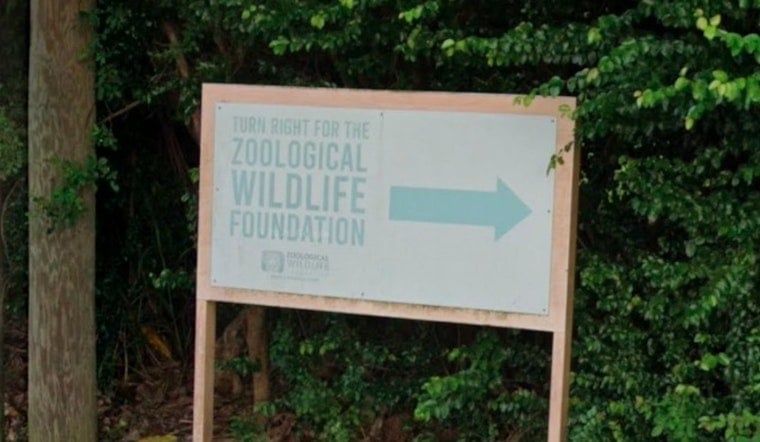
Federal wildlife inspectors have taken a hard look at the Zoological Wildlife Foundation, a small Miami attraction made famous by Netflix’s Tiger King, and they clearly did not like what they saw. A March inspection report details a run of animal-welfare failures, including crumbling and insecure enclosures, filthy cages and food and water fouled with algae and dead insects. The same records outline two January incidents that left an endangered clouded leopard with an amputated leg after a breeding attempt and a capybara found dead.
USDA inspection described the incidents as "critical"
According to The Guardian, a U.S. Department of Agriculture veterinary medical officer who visited the property on March 30 classified both the leopard injury and the capybara death as critical violations of the Animal Welfare Act. The inspector reported that incompatible animals had been placed together for breeding and that a gap beneath a shared guillotine door allowed a male to reach through and maul the female, which ultimately led to the amputation. The report also describes contaminated food and water and unsafe enclosures, and it orders immediate fixes so incompatible animals are permanently kept apart.
Records and local reporting point to a pattern
Local reporting based on records released to the press suggests the March findings are part of an ongoing compliance problem. As reported by Miami New Times, inspectors cited roughly 10 violations in the latest review, including rusted cages, sharp metal edges, algae-coated water bowls and a food freezer crawling with flies and gnats. The facility’s inspection history stretches back years, and earlier USDA reports include a 2021 critical citation after a lion cub bit a child, which animal advocates say reflects a pattern of risky, hands-on encounters combined with poor upkeep.
Owner denies the characterization as regulators weigh options
Mario Tabraue, the Zoological Wildlife Foundation owner who appeared in Tiger King, rejects how the federal findings have been framed. In an email to Miami New Times, Tabraue wrote, "I was never cited by USDA," and described the clouded leopard’s amputation and the capybara’s death as outcomes that occurred during breeding attempts. Previous reporting notes that Tabraue served time on narcotics and racketeering convictions and that the facility promotes paid, close-contact experiences, a model critics argue creates constant pressure to keep animals on display and ready for photo ops.
What enforcement could look like
The USDA has a range of options if it decides violations have not been properly addressed, from official warnings and negotiated penalties to formal administrative complaints that can result in civil fines or suspension or revocation of a license. USDA APHIS notes that serious or repeated Animal Welfare Act violations can be sent to the agency’s Office of the General Counsel for formal action. In the meantime, animal-welfare advocates are renewing calls to shut the facility down and to stop its hands-on encounters, arguing that the March records show both animals and visitors are being put at risk.
The latest disclosures have intensified scrutiny of interactive wildlife attractions in South Florida, where regulators and advocates have been tracking a string of recent enforcement cases. Federal officials have not yet confirmed whether a follow-up inspection has taken place. Local activists say they plan to keep the heat on agencies until they are convinced the animals, and the public, are actually safe.





