

























































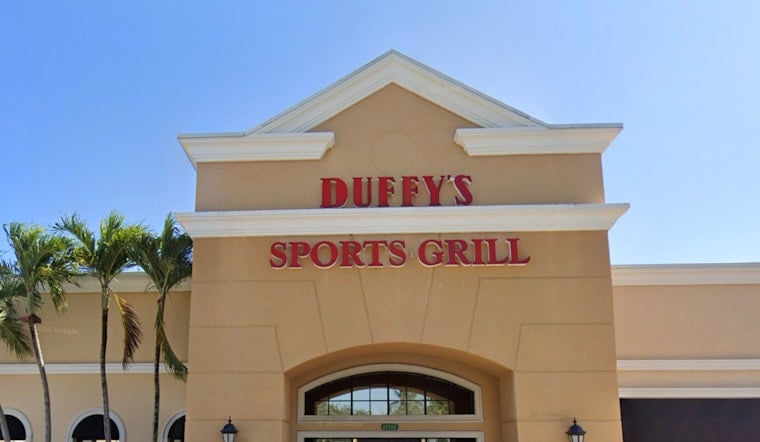
Swarms of flies, live roaches and rodent droppings were enough to get five Palm Beach County restaurants temporarily shut down last week, as state inspectors moved from Mangonia Park to North Palm Beach, Palm Springs, Boca Raton and Palm Beach Gardens. The violations triggered everything from stop-sale orders on food to emergency vacate notices. Most of the spots were allowed to reopen after follow-up inspections, although a few had to clean up their act over multiple reinspections before getting the green light.
What Was Closed and When
According to records compiled from state inspection logs, Flame’s BBQ & Soul Food, Duffy’s Sports Grill, El Rinconcito Colombiano, Hunan City and Red Phoenix were all ordered closed between May 19 and May 21. FloridaFoodSafety reports that the emergency entries, drawn from the state’s DBPR files, list official closure dates and spell out the formal causes, including roach and fly activity, rodent droppings and a series of stop-sale and temperature-control violations.
Blame the Bugs: Flame’s Example
Inspectors at Flame’s BBQ & Soul Food documented about 38 flies clustered around the cook line and smoker, with fly tape hanging over storage areas and a stop-sale ordered on cooked pork until temperature issues and sanitation were fixed. An inspection roundup from CBS12 lays out the sequence of four follow-up reinspections that followed. The same report notes raw shell eggs stored above cooked wings and standing water around the kitchen, the sort of problems that keep inspectors coming back until they are fully resolved.
Duffy’s and El Rinconcito: Fly Swarms and Droppings
State closure records show that Duffy’s Sports Grill and El Rinconcito Colombiano were also pulled from service after inspectors found pest activity and other high-priority violations. Entries in the state tracker compiled on FloridaFoodSafety list fly activity, sanitizer failures and rodent evidence among the main reasons for the emergency shutdowns. For diners, these records are often the first public sign that a kitchen has crossed the line from "needs work" to "close the doors until it is safe."
Hunan City and Red Phoenix: Roaches and Temperature Problems
At Hunan City, inspectors reported about 10 live roaches and issued stop-sales on shrimp, cooked chicken, rice and other items for temperature abuse. Red Phoenix, meanwhile, was flagged for roughly 93 live flies on clean dishes, in storage areas and at the bar. The inspection roundup from CBS12 notes that both restaurants eventually cleared callback inspections, Hunan City after a reinspection on May 20 and Red Phoenix after a second look the following day, based on the inspection notes DBPR posts for each location.
How Emergency Closures Work
The Florida Division of Hotels & Restaurants can issue emergency vacate orders or stop-sale directives when inspectors find conditions that pose an immediate risk to public health. Once that happens, a business has to stay closed until a callback inspection confirms the violations have been corrected. Regional coverage of rat and roach raids explains that the goal is to force quick fixes rather than permanently shut most kitchens, with follow-up inspections often scheduled within about 24 hours. For operators, the fastest path back to serving customers is documented corrective action and verifiable sanitation controls.
What Diners Should Know
Weekly “Sick and Shut Down” roundups show that these kinds of closures are part of a steady enforcement pattern across South Florida, where pest sightings and time-and-temperature problems routinely land restaurants on the state’s closure list, as reported by the Miami Herald. If you are unsure whether a restaurant has cleared a recent inspection, the state inspection portal is the official place to check, and local news roundups can help you spot repeat offenders. For both operators and customers, the bottom line stays the same: solid pest control, correct food holding temperatures and basic hand-washing are what keep kitchens open and meals safe.





