

























































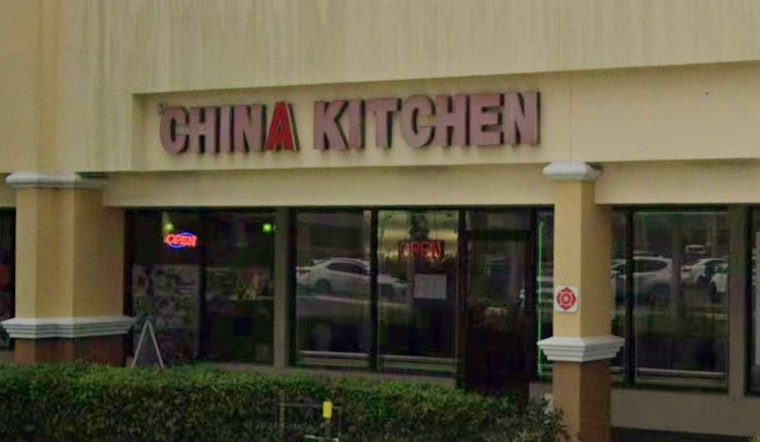
State health inspectors temporarily shut down four Palm Beach County restaurants this month after finding a dead rodent, live roaches crawling on clean dishes and swarms of flies landing on food. The emergency vacate orders hit spots in Greenacres, Lake Worth Beach and Palm Beach Gardens, triggering rapid cleanups and follow-up reinspections. Most kitchens were cleared to reopen relatively quickly once violations were addressed, though a few needed extra visits from regulators before getting the green light.
The closures targeted China Kitchen (6484 Lake Worth Road, Greenacres), Le Berger Restaurant (1216 S. Dixie Highway, Lake Worth Beach), Sabor Latino (2202 Jog Road, Greenacres) and The Great Greek Mediterranean Grill (11300 Legacy Ave., No. 120, Palm Beach Gardens), according to CBS12. The CBS12 roundup, which draws on state inspection records, notes when inspectors ordered each eatery to close and when subsequent checks allowed most to resume service. The emergency orders followed a mix of routine inspections and complaint-driven visits that uncovered multiple high-priority violations.
What Inspectors Say They Found
Inspection notes in the Florida Department of Business and Professional Regulation records spell out what prompted the shutdowns. At Le Berger, inspectors reported a dead rodent in a mop-storage closet and roughly 20 droppings under a reach-in freezer. Sabor Latino was cited for about 15 live roaches crawling on the wall behind a triple sink and on clean dishes. At China Kitchen, inspectors counted roughly 58 flies on doors and sealed sauce containers, while the report for The Great Greek described live roaches crawling out of cove molding along with several dead roaches on traps. According to the DBPR inspection notes, these are classified as high-priority violations because they increase the risk of contaminating ready-to-eat foods.
Dirty Dining Trend Across South Florida
Local inspection roundups suggest this latest batch of closures fits into a broader wave of pest-related enforcement in South Florida. Weekly "Dirty Dining" columns that pull from DBPR logs have highlighted dozens of emergency closures across Palm Beach and Broward counties in recent weeks, with pest activity and time-and-temperature control lapses showing up again and again in the reports; see the recent roundup from Boca Post for examples. The relatively fast reopenings after problems are corrected underline how these emergency orders are designed to force immediate fixes rather than permanently shutter businesses in many cases.
How Closures Work and How to Report Problems
The DBPR can issue an emergency vacate order when inspectors encounter conditions that pose an immediate threat to public health. Once that order is posted, the restaurant has to stay closed until a follow-up inspection confirms the violations have been resolved. Diners who spot unsanitary conditions or suspect a foodborne illness can file complaints through the agency’s online portal and contact pages, which outline how inspections and emergency closures are handled. For details on submitting complaints and searching inspection histories, the Florida Division of Hotels & Restaurants contact information and public-records sections are available on MyFloridaLicense.com.
What Diners Can Do Before Sitting Down
If you are unsure whether a restaurant is currently open or has cleared a recent inspection, the DBPR inspection portal is the official source for up-to-date status and violation details. Local television and news outlets often publish weekly digests that make the data easier to skim; for example, Scripps’ local coverage and recurring "Dirty Dining" segments pull their information from the same DBPR files. When in doubt, check the restaurant’s DBPR entry before you go or ask a manager to provide recent inspection paperwork.





