

























































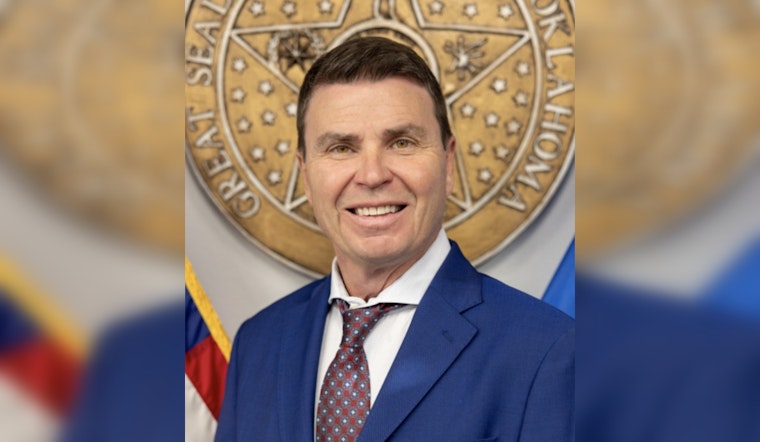
Oklahoma’s school meal system is suddenly under a harsh spotlight. On Thursday, State Superintendent Lindel Fields asked top state officials to open an investigation into Feed the Kids, the nonprofit that runs federally reimbursed child-nutrition services in the state. Fields said he believes the group’s operations contain problems that may have led to improper federal reimbursements and shaken public confidence in school meal programs. He sent a letter to the governor, the attorney general and the state auditor asking for an extensive review of Feed the Kids’ operations.
Allegations from the superintendent
In the letter, Fields alleged that Feed the Kids inflated operating costs and reported exaggerated meal counts in order to secure excessive federal reimbursements, as reported by KFOR. He urged state leaders to work with federal partners to sort out whether administrative or legal action is warranted.
What Fields wrote
Fields wrote that he believed Feed the Kids had “engaged in systemic fraudulent and deceptive practices that undermine the program and public confidence,” and said OSDE staff and U.S. Department of Agriculture officials “were instrumental in uncovering the matter,” according to KFOR. His letter frames the concerns as both operational and legal, asking for a coordinated review of reimbursements and program reporting.
Legal action already filed
Feed the Kids has already taken the dispute to federal court, filing a complaint for declaratory and injunctive relief on April 20, 2026, that names Fields and Kassi Reddell as defendants, per federal court records. The filing attaches a January notice of deficiency, a February OSDE denial letter and a request for emergency relief, and shows the group is represented by attorney Robert A. Bragalone. With both administrative notices and litigation in motion, the dispute is now playing out on parallel tracks.
How federal rules shape the review
Federal regulations put state agencies in charge of child-nutrition oversight and spell out how notices, administrative reviews and reimbursement holds work under 7 C.F.R. §226.6, which governs state-level monitoring and corrective action. Under that framework, state agencies can pause or withhold payments while they investigate, and sponsors have an administrative appeal process. Those procedures mean OSDE and USDA involvement could lead to administrative remedies or referrals for further legal action, depending on what investigators find.
What happens next
Fields asked the governor, the attorney general and the state auditor to coordinate with OSDE and USDA. Any formal probes could lead to administrative sanctions, efforts to recover funds or criminal referrals, depending on investigators’ findings. At the same time, the federal complaint will continue in U.S. District Court while state and federal agencies complete their reviews, according to federal court records. Schools, families and lawmakers are likely to watch closely for both legal and program-level outcomes.
Legal implications
If investigators conclude program funds were obtained by fraud, federal law and USDA rules allow for disqualification from the program, civil recovery and, in serious cases, criminal prosecution. Penalties can include fines, imprisonment and bans on participating in federal child-nutrition programs. The National School Lunch Act and Food and Nutrition Service regulations outline the enforcement tools and appeal procedures that state and federal officials can use in response to confirmed misrepresentations or misuses of program funds. Because criminal and administrative standards differ, the ultimate consequences will depend on what evidence emerges from the parallel reviews.
The dispute has set up a high-stakes examination of how large nonprofit sponsors operate in Oklahoma and how state and federal agencies police meal programs. This story will be updated as officials and court filings produce more documents and statements.





