

























































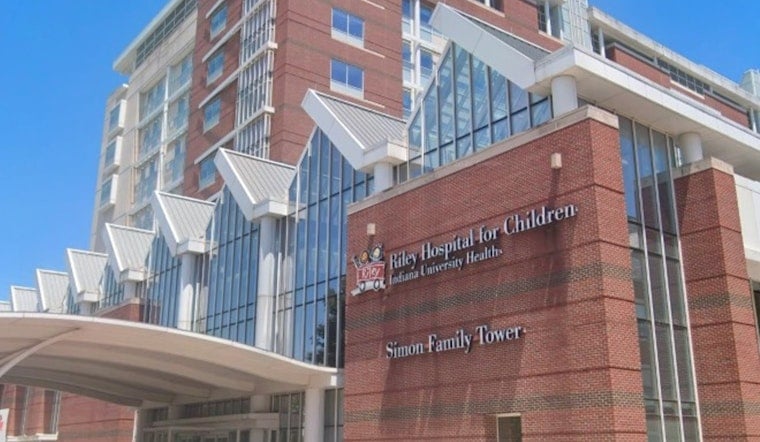
In a milestone for Indiana medicine, 12-year-old Center Grove Middle School North student Elin Lewis has become the first person in the state to receive an FDA-approved gene therapy designed to cure transfusion-dependent beta-thalassemia. The procedure, performed at Riley Hospital for Children in Indianapolis, uses a patient's own stem cells, which are genetically reprogrammed and then reinfused so they can produce stable hemoglobin.
According to IU Health, clinicians collected Elin's stem cells in November 2025, had them modified offsite, then brought her back in February 2026 to prepare for reinfusion. She was discharged roughly a month after the infusion, and doctors say her gene-modified cells are engrafting as expected. The release cites clinical data showing that up to 90 percent of transfusion-dependent patients who complete the therapy no longer need regular transfusions.
How the Therapy Works
As outlined by Riley Children’s Health, the treatment starts by collecting a patient's blood stem cells. Those cells are re-engineered to carry a functional beta-globin gene, then returned to the bone marrow so they can make healthy red blood cells. The strategy removes the need for a donor and avoids the graft-versus-host risks that come with standard bone-marrow transplants.
Riley’s Curative Clinic and Local Access
Riley Hospital for Children is currently the first and only health system in Indiana offering this gene therapy, joining a small group of centers nationwide that are equipped to deliver such a complex, curative treatment. The program runs through a multidisciplinary red blood cell curative clinic that brings together transplant physicians, hematology specialists, social workers, psychologists and fertility experts to prepare patients and support them through recovery, as reported by WRTV.
Elin's mother, Monica Lewis, called the result life-changing and told Daily Journal that Elin "didn't skip a beat," already returning to trampoline practice and school activities while she continues follow-up care. Doctors note that patients who undergo this regimen still need close monitoring during the first year so clinicians can confirm long-term engraftment and hemoglobin production.
How Rare Is Beta-Thalassemia?
Transfusion-dependent beta-thalassemia is a rare disease, with industry filings estimating roughly 1,300 to 1,500 affected individuals in the United States. Clinical data cited by Riley indicate that about 90 to 95 percent of transfusion-dependent patients who complete the therapy no longer require transfusions, which is helping drive interest in centers that can handle patient selection and insurance authorization, according to Bluebird Bio's SEC filing.
Elin will continue with weekly, then monthly, follow-up visits during the first year as clinicians track how her new cells perform. Riley says the curative clinic is accepting referrals for assessment and optimization of care. IU Health notes that the clinic already supports hundreds of Riley families affected by thalassemia and sickle cell disease and plans to keep publishing outcomes as more patients finish treatment.





