

























































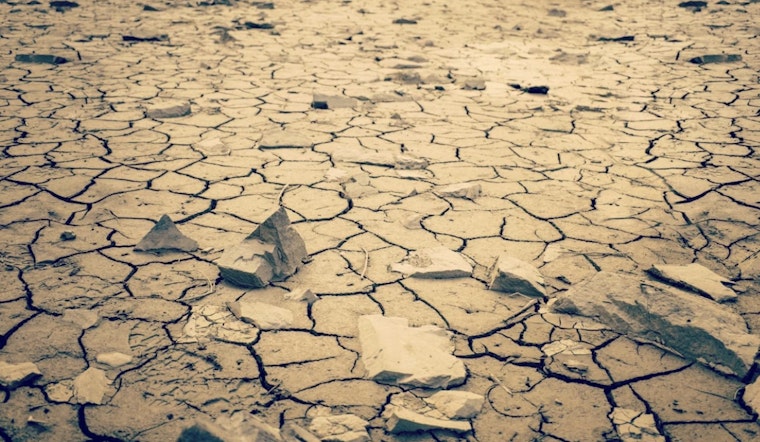
A new Harvard Business School case co-presented with Great Salt Lake advocacy group Grow the Flow dropped the drying lake straight into the laps of MBA students this spring, turning a regional water crisis into a high-stakes classroom problem set. The sessions pulled Utah lawyers, scientists and writers to Cambridge, as advocates used the academic spotlight to pitch a national coalition aimed at stopping the lake’s decline and the public-health and economic fallout that could follow.
How the case was built
Harvard professor Rebecca Henderson and her research associate spent a year building the case, making five trips to Salt Lake City and interviewing roughly 50 stakeholders, from ranchers to state officials. The case has already been taught a few times but is not yet publicly available. Henderson told students it will be released within weeks and could ultimately be adopted by hundreds of business programs, according to Deseret News.
Harvard Divinity and the court of public conscience
The visit plugged into existing ties between Harvard and Great Salt Lake advocates. Author and activist Terry Tempest Williams has served as a writer-in-residence and led courses that brought students to the lake, helping frame the crisis in spiritual and civic terms. That cultural and ethical framing shifted how students approached the business-school case, surfacing questions about duty, equity and what future leaders owe their communities, according to the Harvard Gazette.
Lawyers, scientists and a local pitch
Faculty from the University of Utah’s S.J. Quinney College of Law were part of the Cambridge delegation, a reminder that any serious rescue plan comes wrapped in legal and regulatory complexity, from endangered-species protections to potential air-quality lawsuits, per the law school. Grow the Flow leaders say bringing the case to Harvard had a very practical goal: spark a national network of funders, lawyers and corporate leaders so that classroom debate eventually turns into water and policy on Utah’s shoreline, according to the group’s website.
Why the clock matters
Henderson gave students a tight timeline. Large-scale action in the next three to five years is needed to avoid crossing thresholds that would make restoration much harder and far more expensive, the reporting found. Researchers and regional analyses warn that shrinking shorelines could whip up arsenic-laced dust, devastate migratory bird habitat and leave the state staring at billions in economic losses, risks laid out in coverage from the Great Salt Lake Collaborative and related legal reviews.
Classrooms as a megaphone
If the case is published and widely distributed, it could land in business programs far beyond HBS. Local HBS alumni groups have already hosted briefings that pulled business leaders into the discussion, according to HBS Alumni. Advocates argue that training future executives to weigh economic, legal and ethical trade-offs is one way to turn academic simulations into real political and private-sector clout.
Grow the Flow casts the Harvard collaboration as a strategic step in building a movement that reaches well past Utah, inviting philanthropists, lawyers and corporate leaders into concrete projects that return water to the lake. Whether that burst of classroom energy hardens into the funding and policy change the lake needs will hinge on how quickly students-turned-leaders, alumni and funders convert case-study lessons into actual water on the shoreline.





