

























































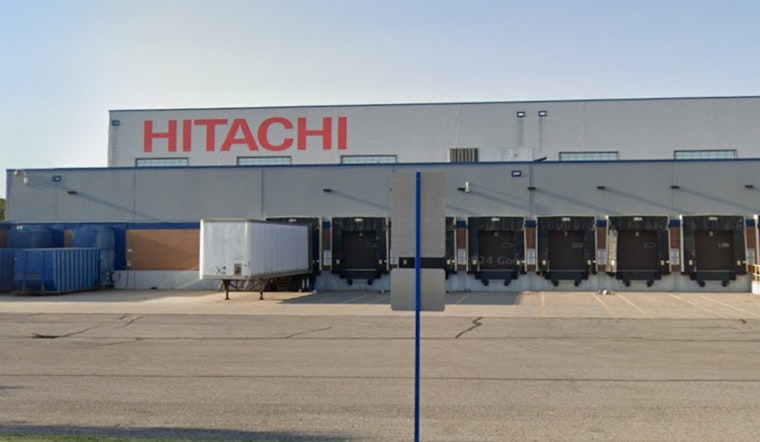
Hitachi’s latest handshake with Oklahoma could mean a lot more than fresh paint on a factory floor. The Japanese technology giant and the state signed a new memorandum of cooperation this week that could grow the company’s footprint in Norman at the same time Congress is moving to speed up how quickly military facilities in Oklahoma can bring civilian workers on board. The deal, unveiled at the federal SelectUSA investment summit, ties a multimillion-dollar equipment investment to potential projects in energy infrastructure, advanced manufacturing and digital systems. On the federal side, proposed changes to the National Defense Authorization Act would stretch and tweak existing direct-hire authorities so depots and arsenals can move faster when they see a qualified applicant. Taken together, state officials say the corporate pact and the new hiring tools add up to genuine job potential for Oklahoma’s defense and manufacturing workforce.
According to a press release from Hitachi, the company and the Oklahoma Department of Commerce signed their Memorandum of Cooperation last Monday at the SelectUSA summit. The release notes that Hitachi has operated in Oklahoma for nearly 40 years and currently employs more than 200 people in Norman, and that the company will work with the state to identify opportunities in energy, advanced manufacturing and digital solutions. Hitachi and the Commerce Department also announced that the company will participate in Oklahoma’s Business Expansion Incentive Program with about $4 million in planned machinery and equipment meant to expand capacity and reduce energy and maintenance costs.
What Hitachi's pact means for Norman jobs
The memorandum and incentive package are aimed squarely at scaling production and bringing higher-tech work into Hitachi’s Norman operations, according to the Oklahoma Department of Commerce. Commerce officials say the MOC will let Hitachi pursue supplier relationships, pilot projects and workforce development efforts that could send ripple effects across energy and manufacturing supply chains. Economic-development leaders say the move builds on Hitachi’s long presence in the community and could translate into new contractor roles and technical positions in the region if the projects pencil out as hoped.
NDAA changes could speed hiring at Tinker and McAlester
At the same time, provisions in the Fiscal Year 2026 National Defense Authorization Act modify and extend direct-hire authorities for domestic defense industrial base facilities and for major ranges and test facilities, a shift intended to give installation managers more flexibility when recruiting for hard-to-fill jobs, according to Congress.gov. The Senate Armed Services Committee report flags sections that are meant to better align hiring authorities and expand expedited hiring tools so there is less paperwork tripping up onboarding at depots, arsenals and test centers. Supporters say those authorities can be used to bring on technicians, skilled tradespeople and acquisition specialists more quickly when mission needs spike.
Oklahoma’s congressional delegation welcomed the change. Sen. James Lankford said the NDAA extensions are designed to support installations such as Tinker Air Force Base and the McAlester Army Ammunition Plant and to help preserve critical missions and workforce capacity, according to his office at Lankford.Senate.gov. Lawmakers have for years worked to secure funding and language in the NDAA that protects and invests in Oklahoma installations, and leaders say the new hiring flexibilities are a practical follow-through on that long-running effort. Local defense-support groups note that cutting hiring lag helps installations keep production steady and supports local businesses that serve those bases.
That flexibility matters because both Tinker and McAlester lean heavily on civilian technicians and trades that are in short supply, and depot and plant leaders have long said slow federal hiring rules leave crucial positions vacant for months. Congressional testimony about earlier uses of direct-hire and expedited authorities found they can dramatically shorten time-to-hire. One Senate hearing noted that expedited tools accounted for the majority of external hires and significantly reduced onboarding timelines, according to Congressional testimony. For Oklahoma communities that depend on defense payrolls, faster hiring could mean quicker contract ramp-ups, more predictable supplier work and a clearer path for veterans and skilled tradespeople to step into civilian roles.
State officials say they plan to press Hitachi and federal partners to turn both the MOC and the NDAA authorities into actual job offers and supplier contracts, and Hitachi’s U.S. careers site already lists openings tied to its North American operations. For a local explainer that first connected the Hitachi announcement to the NDAA hiring changes, see News 9, and for current openings visit Hitachi Careers. Observers say it is worth watching state incentive filings, corporate job postings and forthcoming Department of Defense implementation guidance to see which positions and supplier contracts actually move from paper to payroll.




