

























































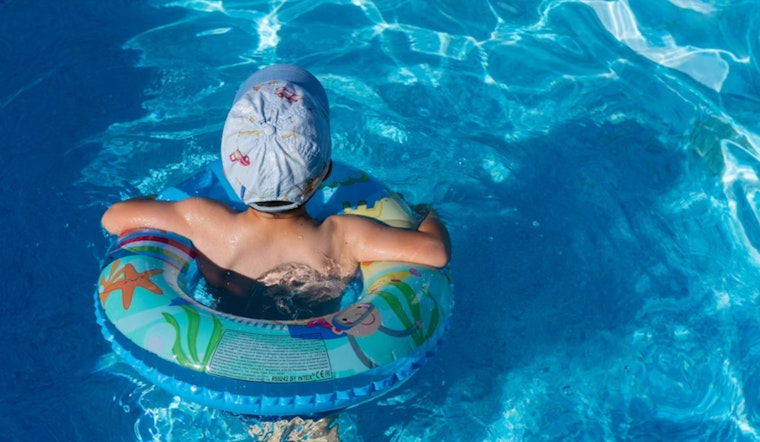
Honolulu paramedics are sounding the alarm after a sharp jump in kids getting pulled from the water this spring. Honolulu Emergency Medical Services says crews have been racing to a string of pediatric near-drownings, most of them nonfatal, but serious enough to show how a few distracted seconds can turn into a life-or-death rescue.
Honolulu EMS told KITV the department has already handled 12 pediatric nonfatal or near-drowning calls in 2026. That is nearly double what they saw over the same stretch last year. Honolulu Emergency Services Director Jim Ireland called the incidents "preventable emergencies" that often unfold when a child is left unsupervised in or near water.
Water-safety specialists told KITV that the most powerful protection is not fancy gear. It is an adult who is locked in on the water and kids who have at least basic swim skills. Amanda Allison said, "constant and close supervision plus swimming and water safety skills and layers of protection can save lives," while Sarah Fairchild urged parents to keep weak swimmers within arm's reach and to "put the phone away" when they are supposed to be watching children.
Statewide risk and long-term trends
Hawaiʻi has one of the highest resident drowning rates in the country, and drowning is the leading cause of injury-related death for children in the islands, according to state health data cited by Hawaii News Now. Local coverage has tracked a steady rise in pediatric rescues. KHON2, for example, reported about 25 pediatric drowning responses between February 2025 and February 2026, a pattern that lines up with the climb in Honolulu EMS numbers described in local reports.
Simple steps that save lives
The Hawaiʻi Water Safety Coalition and other local organizations are pushing back with low-tech habits that can make the difference between a scare and a tragedy. They urge adults to name a single "water watcher" whose only job is to keep eyes on children in and around any body of water. They also recommend Coast Guard-approved life jackets instead of inflatable "water wings," which can give a false sense of security.
The YMCA of Honolulu's "Phones Down, Eyes Up" campaign and local swim-lesson programs stress survival swimming, multiple layers of protection and CPR training to cut the risk. The coalition and its partners are also rolling out outreach and training efforts across the state.
If a child gets into trouble in the water, Honolulu EMS says to call 911 right away and follow the dispatcher’s instructions until rescuers arrive. For more information on water safety and CPR classes, families can look up the Honolulu Emergency Services Department and its partner organizations online.





