

























































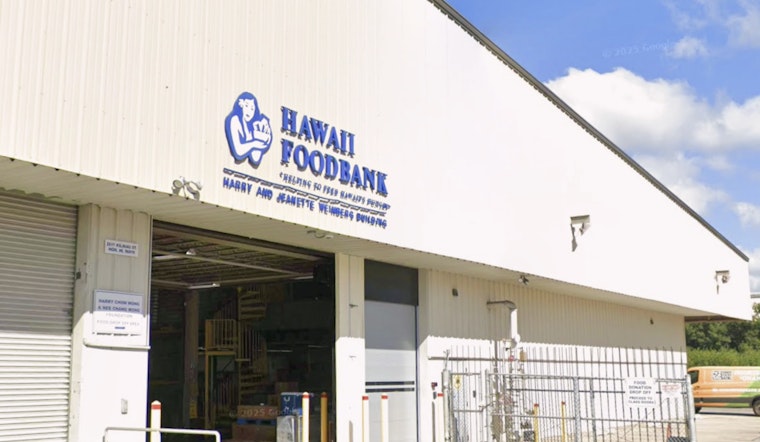
A plan to carve out a charter-level Food Security Fund worth roughly $8 million a year for locally produced food is on track to land before Honolulu voters this November. The proposal, filed by the Hawaiʻi Foodbank, would not raise property tax rates. Instead, it would redirect a portion of existing real-property tax revenue into a new, charter-protected fund. Backers say locking food access into the city charter would turn it from an annual budget brawl into a standing priority.
Charter Commission moves measure forward
On Tuesday, a Permitted Interaction Group, the Charter Commission’s fiscal committee, recommended advancing Proposal 119 after months of testimony and research. The measure would steer about $8 million a year into a Food Security Fund fed by existing property-tax dollars, and testifiers highlighted what they describe as an urgent hunger crisis on the island.
Hawaiʻi Foodbank advocacy director Elia Herman told Honolulu Civil Beat that the fund would “ensure, essentially in perpetuity, that the city and county is invested and committed to being part of the solution to fighting hunger.”
How the fund would be paid for
According to the City & County of Honolulu PIG report, the draft charter amendment would lift the special-fund set-aside from 1.5% to 2% of estimated real-property tax revenues. That 2% pot would then be split into four equal parts for the Clean Water and Natural Lands Fund, the Affordable Housing Fund, the Climate Resiliency Fund and the new Food Security Fund.
Under that structure, existing funds would keep roughly the same dollar share they receive now, while the Food Security Fund would gain a permanent revenue stream for food access programs, purchasing locally produced foods and emergency feeding efforts. The PIG’s proposed language also allows up to 10% of the Food Security Fund to be spent on non-locally produced food during officially declared emergencies.
Why proponents say it is needed
Advocates point to worsening hunger on Oʻahu. A report prepared for the Hawaiʻi Foodbank found that about one in four Honolulu County residents does not have reliable access to enough food, and that two-thirds of those households, roughly 165,000 people, experience very low food security and sometimes skip meals.
Supporters argue that a charter-protected fund could provide stable grants and subsidies to scale up food distribution, buy local surplus that might otherwise go unused and bolster supply chains in neighborhoods that regularly face shortages. The Foodbank and allied organizations say that having the city on board at the charter level would let programs plan multi-year investments instead of scrambling for short-term appropriations.
Budget and legal questions
The PIG report also pointed to tradeoffs. Charter-protected special funds commit future revenue and can limit long-term budget flexibility for the City Council. Commissioners acknowledged those concerns in their discussion and called for continued review to balance fiscal leeway with the goals of a permanent food security fund.
They urged careful legal drafting so that the proposal preserves the Council’s core budget authority while still enabling grants and rapid-response funding when food needs spike.
Next steps before voters see the question
The recommendation now heads to another Charter Commission committee and to the city and county’s corporation counsel, which will work on the exact ballot language before the full Commission takes a final vote. Final decisions on which measures will appear on the November ballot are expected around mid-July, with approved proposals forwarded to the City Clerk in mid-August, according to Honolulu Civil Beat.
If the Commission signs off on the language, voters will see the charter amendment question on their ballots this fall and decide whether food security should be locked in as a permanent city priority.




