

























































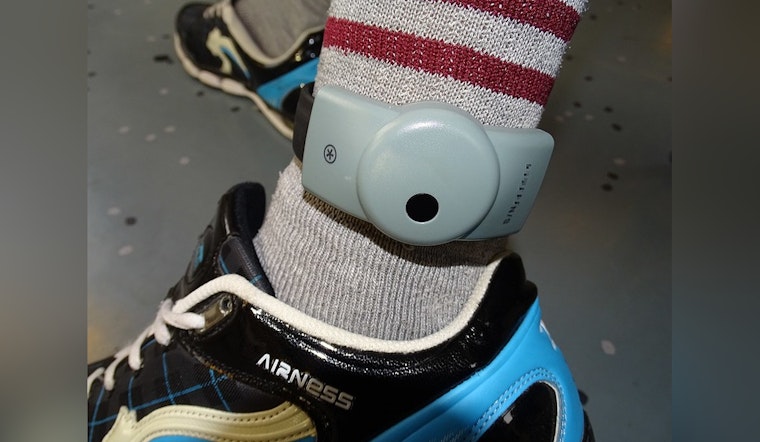
An asylum seeker who arrived in Indiana hoping for protection says a court-ordered GPS ankle monitor from federal immigration officials set off a medical nightmare that ended with part of his leg being amputated, according to a newly filed lawsuit. The complaint, lodged this month, claims the device triggered severe swelling and escalating pain that disrupted his sleep, made work nearly impossible and turned basic movement into a daily ordeal.
According to the lawsuit, and as reported by the Indianapolis Star, the monitor began causing visible swelling within days of being strapped to his ankle. His attorneys say what was supposed to be a routine piece of electronic supervision instead became a source of constant pain, leaving him struggling to stand or walk and keeping him awake as the condition steadily worsened.
What the suit alleges
The complaint alleges the bracelet “gripped his left ankle so tightly that it restricted blood flow,” setting off tissue damage that doctors ultimately treated with amputation, per the Indianapolis Star. The lawsuit seeks damages and puts a harsh spotlight on how these monitors are designed and fitted, and on what kind of medical oversight, if any, is built into immigration supervision programs.
A wider pattern of monitoring
The Indianapolis case is unfolding against the backdrop of a significant national increase in ankle monitor use that followed a June 2025 internal ICE memo encouraging broader GPS deployment in its Alternatives to Detention program. Reporting shows that The Washington Post reviewed that guidance and tracked a surge in monitoring, while advocates told The Guardian the number of people wearing the devices has climbed sharply. Civil rights and immigrant rights groups have pushed for agency records and brought lawsuits challenging the policy, according to the Charlotte Observer.
Legal fallout and unanswered questions
Attorneys who represent clients on ICE supervision say incidents like this one could draw tougher scrutiny to how monitors are handed out and maintained, and to whether health risks are taken seriously before and after a device is installed. In a recent example of legal pushback, a federal judge in Philadelphia ordered the government to pay nearly $40,000 in attorneys’ fees to an immigrant who successfully fought being forced to wear a monitor, a ruling that lawyers say could spur more challenges, as reported by The Philadelphia Inquirer.
For people in Indianapolis who work with immigrants on ICE supervision, the case is already prompting pointed questions about who actually fits these devices, which private contractors supply and service them, and who is held accountable if a monitor causes harm. As the lawsuit moves forward, it is likely to serve as a closely watched test of how far electronic supervision can go before courts or policymakers decide the line has been crossed.





