

























































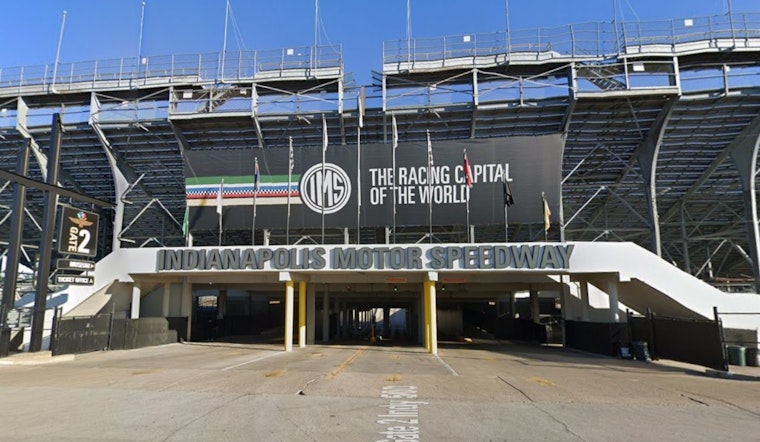
IndyCar has wiped out the qualifying times of Caio Collet and Jack Harvey after post-qualifying technical inspections at Indianapolis Motor Speedway, dropping both entries to the very back of the Indianapolis 500 starting grid. Collet had muscled his way into the Top 10 shootout and looked poised for a headline result; instead, the penalty buries him deep in the order and costs both teams their hard-earned pit boxes. Officials announced the penalties late Sunday, reshuffling the provisional grid in ways that will ripple through race strategy and Rookie of the Year calculations. Teams can pursue the series' review process, but for now both drivers are facing the same reality: 500 miles of traffic from the back row.
What officials found
IndyCar Officiating said post-qualifying inspections uncovered "modifications to the Dallara-supplied EMS covers" on the Nos. 4 and 24 cars, and the series responded by disallowing their official times. The discovery, described by officials as the use of unapproved hardware on cover-to-A-arm mounting points, triggered immediate grid penalties, per Motorsport. Because EMS parts are defined as spec components, IndyCar treats any unauthorized changes as a rules violation serious enough to erase a qualifying run.
Grid shakeup
Collet will be moved from his provisional 10th-place starting spot to 32nd and Harvey to 33rd, and both teams lose their chosen pit boxes, according to IndyStar. The penalties have already nudged drivers such as Scott Dixon into the top 10 and left Mick Schumacher as the top rookie on the grid. For Collet, one of four rookie contenders this year, the demotion blunts his early favorite status in the Rookie of the Year conversation and forces a wholesale rethink of race plans. For Harvey and Dreyer & Reinbold, starting at the back is a frustrating but familiar script, as the Brit has launched from the last row multiple times in recent seasons.
Rulebook and penalties
IndyCar's technical regulations do not leave much room for interpretation: "EMS must be used as supplied by Dallara" and covers may only be attached with the supplied hardware and helicopter tape, language taken directly from the series' rulebook. The same book allows officials to place a car at the rear of the Starting Lineup if its qualifying time is changed or disallowed after inspection under Rule 8.1.8.6, per the IndyCar rulebook. Put together, that combination of strict spec-part rules and wide authority over the lineup explains why officials reached for such a blunt fix after the post-qualifying checks.
Precedent and enforcement
This move does not come out of nowhere. In 2025, IndyCar moved Andretti Global and PREMA entries to the rear and levied fines after post-race inspections found similar EMS alterations, according to Racer. The latest penalties also arrive as IndyCar operates under a newly independent Officiating structure; Motorsport notes that Scot Elkins began oversight earlier this month as part of that reform effort. The combination of fresh governance and recent history makes late, high-impact technical penalties feel less like shock outliers and more like the new normal.
What to watch
With the Indianapolis 500 still weeks away, teams will use practice to dial in setups and decide whether to chase a formal review or eat the penalties and pivot to recovery-mode strategy. Starting from the back changes everything: fuel windows, pit timing, and the odds of getting caught up in someone else's early mistake. A sharp, well-timed strategy can still turn a last-row start into a strong finish, but the margin for error shrinks dramatically. Expect Collet and Harvey to be under the microscope in practice and in the build-up to the 110th Indianapolis 500 as they try to turn a technical black eye into a long-day comeback story.



