

























































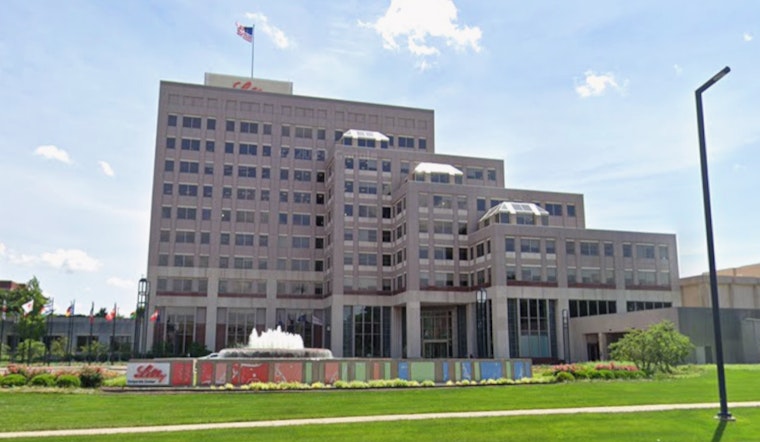
Indianapolis-based Eli Lilly just watched its diabetes drug Mounjaro climb past Merck's cancer therapy Keytruda to claim the title of the world's top-selling prescription medicine in the latest quarter, a sharp sign of how GLP-1 and tirzepatide treatments are rewriting the industry playbook. The surge helped push Lilly's quarterly revenue close to the $20 billion mark and solidified tirzepatide as a global commercial powerhouse. For Indianapolis and investors, the changing of the guard shows how fast metabolic medicines have sprinted from niche category to mainstream fixture.
Lilly reported Mounjaro revenue of $8,662 million in the first quarter of 2026, according to Eli Lilly. Merck's first-quarter filing shows KEYTRUDA/KEYTRUDA QLEX sales of about $8.0 billion in the same period, per Merck.
Tirzepatide's rise at the molecule level
Look beyond the brand names and the story gets even bigger. When Mounjaro and Lilly's weight-loss sister brand Zepbound are tallied together, they generated roughly $36.5 billion in 2025, topping Keytruda's roughly $31.6 billion in the same year, as reported by The Boston Globe. Both medicines share the active ingredient tirzepatide, and that molecule-level dominance helps explain how Lilly has vaulted past long-standing oncology blockbusters.
What’s driving the boom
The breakout reflects rapid adoption of GLP-1 and GIP/GLP-1 combination therapies, a widening base of prescribers and fresh formulations that make treatment easier for patients. Lilly spotlighted recent regulatory momentum, including FDA approval of its oral GLP-1 Foundayo, in its quarterly materials, per PR Newswire, and analysts told Axios that oral pills and broader coverage are widening the patient pool.
Implications for Merck, patients and payers
Keytruda had held the sales crown since early 2023 but now faces pressure from patent timelines, pricing headwinds and a shifting mix of treatments. Merck's results show the company is rolling out subcutaneous formats, with KEYTRUDA QLEX generating $128 million in its first periods on the market, and is continuing to pursue new indications to defend share, per Merck. For patients and insurers, the big questions are still access, coverage rules and how payers will negotiate prices as demand keeps climbing.
For Indy, the results deepen a hometown success story, yet they also raise policy questions about affordability as use expands. Lilly raised its outlook after the quarter, and market watchers say the next chapters will hinge on pricing talks, manufacturing capacity and how quickly oral options bring new patients into care, per PR Newswire.





