

























































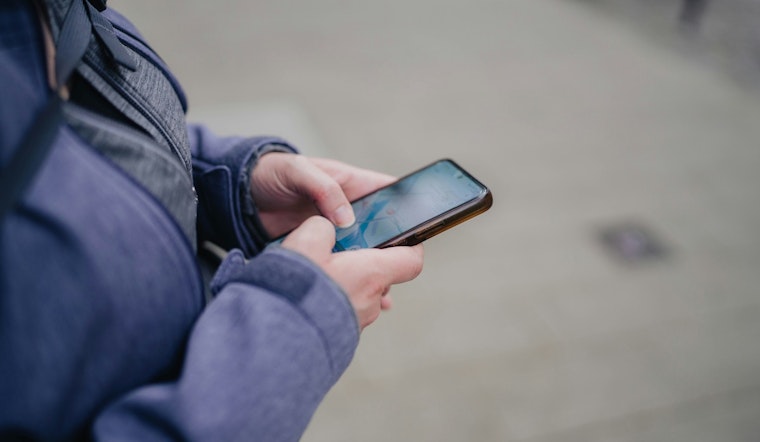
One school year into New York’s bell-to-bell phone rules, the vibe in many buildings has flipped. Lunchrooms that once felt like quiet charging stations are buzzing again, hallways are busier and teachers say students are actually looking up. District leaders and parents in several upstate communities point to early upticks in attendance and classroom engagement. Researchers, though, are still tapping the brakes, noting that academic gains are modest so far and that some schools saw a short-term spike in discipline when the rules kicked in.
What the national research says
A large working paper from the National Bureau of Economic Research followed schools using outright bans and lockable pouches and found a mixed picture. The study tracked an initial rise in suspensions, a dip and then rebound in student well-being, and average test-score effects that hovered near zero, with only modest gains in high school math. According to NBER, the early discipline spikes generally faded after the first year, while some attendance and academic measures ticked up later on.
How districts describe the first year
Districts that moved early on the policy say the difference is not subtle. “The lunchroom, which usually had been silent with the kids on their cellphones, now had conversations coming out of it,” said Natalie McKay, a sixth-grade teacher and Schoharie Teachers Association president. She told Spectrum News that the district has seen bumps in attendance and grades alongside the noisier cafeteria.
How one district rolled it out
In Central Square, leaders opted for a pouch-based system starting in February. Students keep their phones in approved neoprene pouches tucked into backpacks, and Superintendent Tom Colabufo says that simple change has made students “more connected in their classroom to class discussions, to group work, to what's going on.” Colabufo told local outlets the policy grew out of a months-long forum with parents, staff and students and that it has so far required relatively few suspensions, according to NY1.
What the law requires
The statewide framework, New York’s Phone-Free Schools law, set the basic rules of the road and included $13.5 million to help districts buy storage solutions. It gives local districts leeway to design their own plans, while spelling out clear exemptions for students who need devices for health reasons or under IEPs. The law bars schools from suspending a student solely for a device-policy violation and required districts to publish a local plan by August 1, 2025. Districts must also post an annual enforcement report with demographic data by Sept. 1, 2026, according to New York State. The idea is to keep the focus on thoughtful implementation and transparency rather than automatic punishment.
What researchers warn to watch
Experts caution that a quieter pocket does not automatically translate into better test scores and that local choices matter a lot. A University of Michigan summary of the NBER work notes that lockable pouches sharply reduced phone use and at first pushed disciplinary numbers up, but that both discipline and well-being generally improved in later years. “I think there is a lot to unpack there,” said Brian Jacob, a study co-author. The researchers also highlight wide variation in results, with modest math gains at the high school level and smaller or even negative effects in some middle school settings. The takeaway is that how districts design and enforce these rules can shape whether the policy helps or hurts.
What to watch next
Now districts are staring down the tougher work: making enforcement feel fair and equitable. The NBER team found that exclusionary discipline rose in the first year, particularly for Black students in some samples, even though those increases often faded later. The state’s reporting requirement is meant to surface any such disparities, according to New York State, and district leaders say they want the policy to rest on culture-building and parent partnerships rather than reflexive punishment as it matures.
For many families and teachers, year one feels like a cautious win. There is more eye contact in class, livelier commons and a little less scrolling under the desk, paired with a clear reminder that patient enforcement and smart local design will decide whether the quiet in students’ pockets eventually shows up in their report cards. As districts prepare their Sept. 1 reports, expect close attention to who is getting disciplined and how schools juggle safety, communication and student development in a no-phone era.




