

























































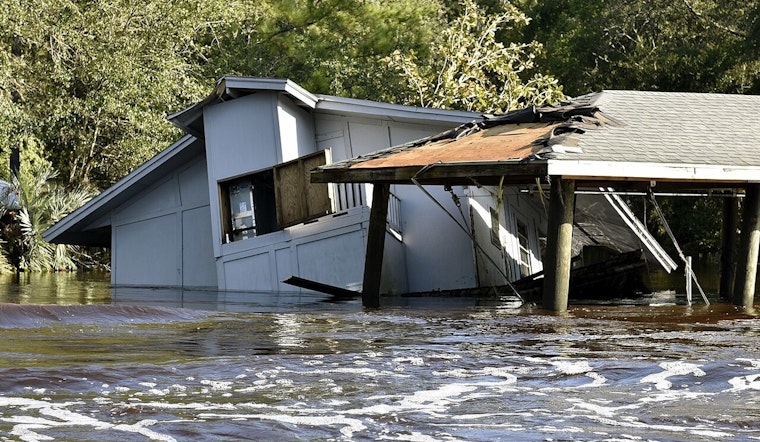
An insurance executive told the Tampa Bay Business Journal this week that Florida's state backed hurricane reinsurance pool is "in dire need" of a reset, putting fresh scrutiny on whether the fund's rules still fit the market it is supposed to protect. The state run program, long the backstop for storm hit homeowners and insurers, is commonly cited at roughly $9.6 billion in resources.
The remark surfaced in a Tampa Bay Business Journal report that quoted an industry CEO calling for policy changes to the Florida Hurricane Catastrophe Fund so it better reflects shifting reinsurance costs. The Business Journal framed the comments in the wider industry debate over how the Cat Fund should operate as markets and exposures evolve, and Tampa Bay Business Journal covered the comments.
How the fund works and what's at stake
The Catastrophe Fund, administered by the State Board of Administration, provides below market reinsurance to insurers and helps spread hurricane losses across the state. As outlined by the Florida Hurricane Catastrophe Fund, the program has posted proposed 2026 rates that trustees are scheduled to review at a public meeting in early June.
Market shifts are changing the math
As reported by Insurance Journal, private reinsurance prices have softened this year, which has some carriers wondering whether the state's traditionally lower cost program is still their best option. That shift in pricing is a central reason industry leaders are urging a rethink of attachment points, pricing, and the overall structure of the Cat Fund.
Storms and bonding
Big storms have already tested the fund. State actuaries and industry analysts put the Cat Fund's loss from Hurricane Ian near $10 billion, a hit that required bonding and other measures to keep reimbursements flowing, according to Artemis. That episode helps explain why insurers and lawmakers say any tweak to the fund has to balance market economics with the risk of leaving homeowners exposed.
What to watch
Trustees and regulators are expected to decide on the proposed rates in the coming weeks, and any move to shrink or reshape the fund could ripple into premiums, insurer strategies, or the state's reliance on post event borrowing. As Bond Buyer noted, the state has used bond programs in the past to recapitalize the Cat Fund, a reminder that policy changes carry real fiscal consequences for insurers and taxpayers.
Hoodline will track the SBA trustees' meeting and industry reaction and report on developments, including any formal proposals from regulators or carriers. For now, both industry leaders and state officials appear to be signaling that the old Cat Fund playbook may need an update before the next storm season.



