

























































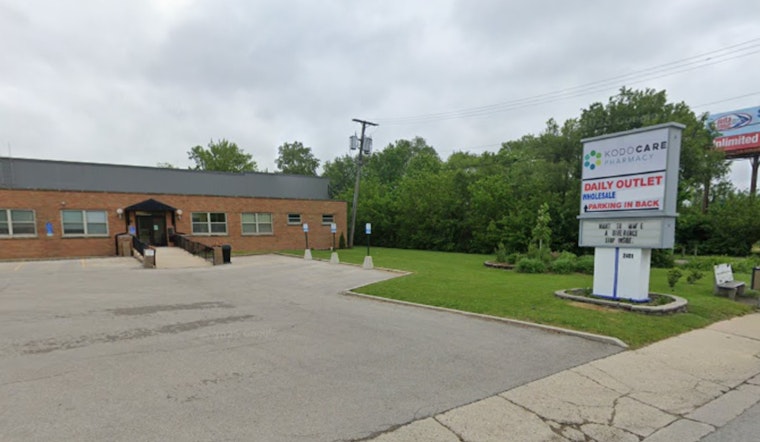
Joliet's KODOCARE Pharmacy says sky-high gas prices and a newly announced fuel surcharge from a drug wholesaler are already chewing into its bottom line and could soon nudge prescription costs higher for patients across Illinois. CEO Chad Kodiak warned that the extra delivery tab might force the longtime pharmacy to scale back its free drop-offs or start tacking fees onto patients who depend on home delivery.
According to NBC 5 Chicago, Kodiak said the wholesaler emailed on May 5 to announce a fuel surcharge on all medicine deliveries, and that "the cost has gone up anywhere between 12 and 25 percent" to make the same runs. NBC also reported that many of KODOCARE's patients are on Medicaid and that pharmacists have been pressing the state to negotiate higher reimbursement rates to help cover rising operating costs.
Gas spike is already squeezing delivery margins
The U.S. Energy Information Administration reports the national average for regular gasoline reached about $4.45 a gallon the week of May 4, while Axios Chicago noted the Chicago-area average climbed past $5 a gallon in early May. Those higher prices at the pump have led some distributors to tack on temporary fuel surcharges to deliveries, a cost that retailers and independent pharmacists say they cannot always swallow on their own.
Why pharmacies can't simply raise prices
Pharmacies say they cannot just mark up patients' prescriptions whenever expenses rise, since pharmacy benefit managers and insurers largely control reimbursement levels, copays and which drugs make the cut. The Kaiser Family Foundation explains that PBMs negotiate rebates, set formularies and run payment systems that determine what pharmacies receive for covered prescriptions, which limits how much of any new delivery cost they can pass along.
KODOCARE's website traces the pharmacy's roots back to 1969 and highlights delivery services for long-term care facilities and homebound patients, a reminder of why fuel prices hit its operations so directly. The chief concern inside the pharmacy is that when delivery costs climb while reimbursement lags, the already thin margins for independent and community pharmacies can disappear fast.
What patients might see next
If wholesalers keep the fuel surcharge in place and payers do not increase reimbursement, Kodiak cautioned that patients could end up with higher copays or fewer free deliveries. Potential state-level changes or PBM reforms could ease the strain, although the Kaiser Family Foundation notes that these kinds of policy moves typically take months and require either legislative action or regulatory changes.
For now, local pharmacists are watching gas prices like hawks and reminding patients that the cost of filling a prescription can be affected by something as basic as the price of a gallon of regular. This story will be updated as officials weigh in and if distributors or payers announce any changes.





