

























































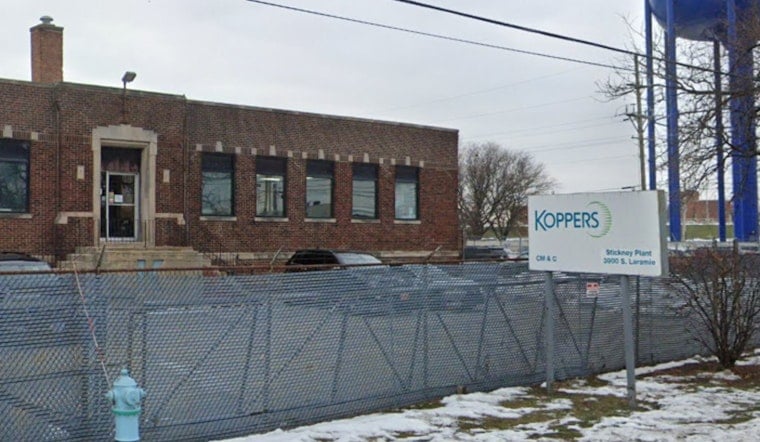
Koppers Holdings is pulling the plug on an Illinois chemical plant, a move that will affect about 85 workers and shrink the company's U.S. chemicals footprint. Company leaders say the shutdown stems from tightening feedstock supplies, rising production costs, and aging equipment, a combination that could also rattle nearby suppliers and trucking routes that depend on the facility.
As reported by the Pittsburgh Business Times, Koppers cited "constrained raw material availability from North American steel manufacturers," higher operating costs and older infrastructure as the key drivers behind the closure. That outlet also flagged the expected job impacts tied to the decision.
Why feedstock shortages matter
Koppers' performance-chemicals lines rely on coal-tar-derived naphthalene and related intermediates, which are produced as byproducts of steelmaking and move in lockstep with blast-furnace activity. According to the company's 2025 Form 10-K filed with the U.S. Securities and Exchange Commission, declines in blast-furnace output and rising coal-tar costs have already squeezed margins and led to earlier production cutbacks.
Plant history and local footprint
The company lists a large Stickney/Cicero site on its location pages and says the Illinois operation supports hundreds of local jobs, while also noting ongoing investments aimed at tightening environmental controls. Company materials highlight community outreach work and recent capital spending to bolster environmental systems at the site, according to Koppers.
Impact on workers and notice rules
Roughly 85 positions are expected to be affected by the closure, according to the Pittsburgh Business Times. Under Illinois' WARN rules, employers with 75 or more full-time workers generally must give 60 days' notice before a plant closing or mass layoff, and the state offers rapid-response services to help displaced employees and impacted communities, per the Illinois Department of Commerce and Economic Opportunity.
How this fits into a wider trend
Industry analysts say producers of phthalic anhydride and naphthalene worldwide have been wrestling with volatile feedstock supplies and higher costs as steel-sector cycles and regulatory shifts cut into coal-tar availability. The result has been consolidation and capacity reductions across the sector, according to Research and Markets. Producers that have integrated access to coal-tar streams or sit closer to key feedstock hubs have generally had an easier time riding out the turbulence, those market reports indicate.
Early coverage of the Koppers decision did not include a detailed public timeline for the Illinois shutdown. At the same time, the company's public materials continue to spotlight safety efforts, environmental upgrades and community engagement at its Illinois sites while Koppers works to pare back lower-margin lines of business, according to Koppers. Further details are expected as the company or officials release more information.





