

























































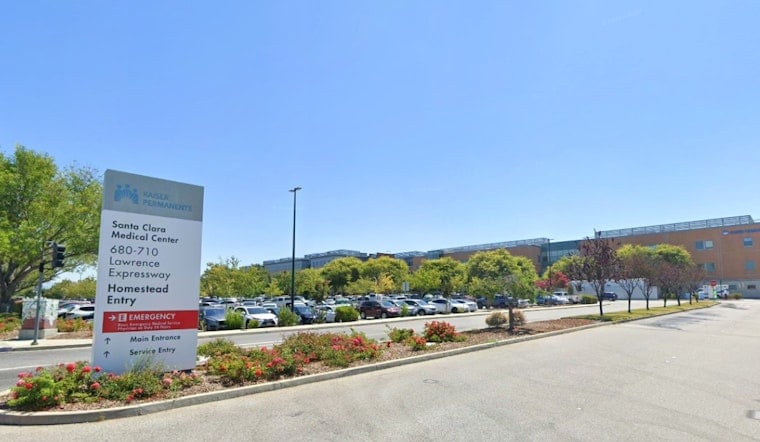
Several cases of Legionella bacteria tied to Kaiser Permanente Santa Clara Medical Center have been confirmed, and the hospital says it is in detective mode while patients keep coming through the doors as usual.
According to the medical center, the bacteria were picked up through routine internal monitoring, not a public complaint or an outside alert. Staff have rolled out additional water-treatment and preventive measures while investigators work to identify the source of the contamination. Hospital entrances currently show no public warnings, and operations are continuing normally, officials said.
In a statement to NBC Bay Area, Kaiser said its “robust routine internal monitoring processes” detected the Legionella. The source of the contamination is still under investigation, and the health system said mitigation steps are already in place as it coordinates with local and state public health partners.
UCSF infectious disease specialist Dr. Peter Chin-Hong told NBC Bay Area that “Legionella loves warm water,” explaining that people are typically exposed when they inhale mist from places like cooling towers, hot tubs or decorative fountains. He said extreme shortness of breath, along with an abnormal fever, are serious warning signs that should send someone straight to medical care.
What Legionella Is and Who Is Most At Risk
Legionella bacteria can trigger Legionnaires’ disease, a potentially serious form of pneumonia, and are usually spread through aerosolized water rather than from person to person, according to the CDC. People age 50 and older, current or former smokers, and those with weakened immune systems or chronic lung disease are at higher risk of severe illness. Clinicians typically rely on a urinary antigen test along with culture of lower respiratory specimens, and early antibiotic treatment is effective.
How Hospitals Investigate and Respond
In accordance with California guidance and standard public health practice, healthcare facilities must maintain water management programs and report cases of legionellosis so that environmental sampling and cleanup can begin promptly. Investigations often focus on cooling towers, plumbing fixtures and hot-water systems, which may then need disinfection, flushing or other remediation to remove contamination. The California Department of Public Health stresses that timely reporting is key to linking cases and identifying a source.
The CDC advises that anyone who was at Kaiser Santa Clara recently and develops a cough, fever, or difficulty breathing should inform their clinician about that potential exposure and ask whether Legionella testing makes sense. Kaiser says the hospital and its medical office building are operating as normal while mitigation continues, and public health agencies are expected to release further updates as the investigation moves forward.



