

























































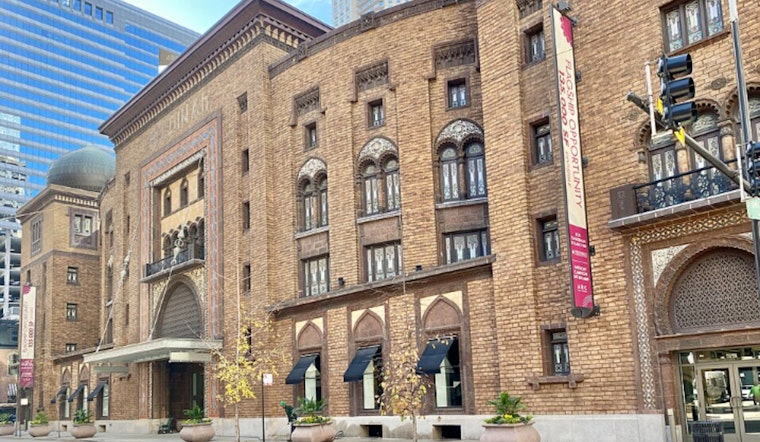
The casino chips may soon be cashed out at Chicago’s Medinah Temple, but the real bet is what comes next for the century-old River North landmark. With Bally’s preparing to move its temporary casino out of the Moorish Revival showpiece at 600 North Wabash, owner Friedman Properties is quietly weighing the building’s next act. On the table: a return to cultural programming, a carve-up into retail and offices, or a reinvention as an events hub. Whatever lands will reshape a busy stretch just off the Magnificent Mile.
As reported by Crain's Chicago Business, Friedman has started sounding out ideas and potential partners as it thinks through the post-casino chapter. Crain's sets the decision against Bally’s short-term tenancy and the broader casino plan anchored in River West.
Friedman Properties bought Medinah Temple in 2019 and has kept a tight grip on the property since, according to CoStar News. CoStar also notes that Friedman secured a $12 million loan on the building that comes due in November 2026, while Bally’s is on the hook for seven-figure annual taxes and about $16.5 million in rent under its temporary deal. Those numbers will weigh heavily on whatever Friedman decides to do next.
What Comes Next For The Building?
Bally’s permanent casino is planned for the former Tribune Freedom Center in River West at 777 W. Chicago Avenue, a site long baked into the city’s casino blueprint and chronicled in local coverage. Chicago YIMBY has published renderings and site details for that River West complex. Construction delays, however, have spurred legislative efforts that could allow Bally’s to keep the Medinah Temple operation running into 2027, according to reporting from Yogonet.
Landmark Rules And Neighborhood Stakes
The Medinah Temple is a designated Chicago landmark, which means owners cannot simply gut and start over. The city’s landmarks office restricts changes to the exterior and key historic interiors, and Chicago Landmarks emphasizes both the building’s architectural pedigree and its cultural role. Any reinvention has to pencil out financially while still respecting those bones. Earlier coverage of its casino turn captured local reaction when Bally’s opened in 2023, including concerns and curiosity over gambling in such a storied space, as seen in neighborhood reaction.
For now, Friedman appears focused on a practical play: lining up tenants or concepts that can fit inside a landmark shell while replacing the short-term revenue stream Bally’s has provided. More concrete proposals are likely once the River West casino timeline is nailed down and the market for downtown events, retail, and office space looks a bit less like a roll of the dice.




