

























































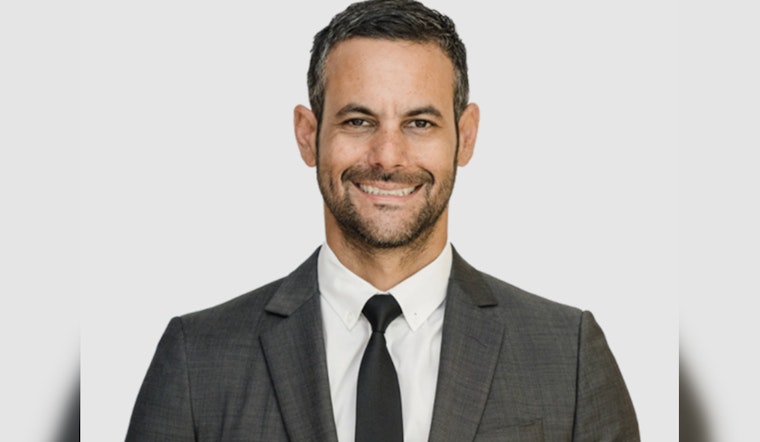
Members of Jewish Voice for Peace South Florida say a December protest outside Miami Beach City Hall took a nasty turn when three mobile billboards rolled by with the group's name and the words "Jew hater" splashed across the screens. According to attorneys for the chapter, an invoice they recently obtained from the billboard company lists Miami Beach Commissioner David Suarez and what they describe as his personal email address. The record surfaced in a discovery motion filed in federal court, tied to a lawsuit the group brought last year. Protesters allege that two members were personally targeted on the trucks, with their photos and first names displayed alongside the loaded phrase.
Attorneys say invoice names commissioner
As reported by Local 10, lawyers for Jewish Voice for Peace South Florida say the billboard invoice shows Suarez's name and a personal email, and that the rolling ads came with a roughly $4,000 price tag. Attorney Katherine Giannamore said, "We did get the information from the billboard company, we are engaging in discovery as part of this lawsuit." Members who spoke at a recent press event said they recognized their own faces and first names on the screens next to the words "Jew hater," calling the campaign an unethical hit job by an elected official.
Part of a broader First Amendment dispute
The new paperwork is being folded into a larger legal fight. The existing federal lawsuit accuses Miami Beach, Mayor Steven Meiner and Commissioner Suarez of working to quiet pro-Palestine demonstrations and trampling on protesters' First Amendment rights. As reported by the Miami Herald, Jewish Voice for Peace South Florida is challenging a 2024 ordinance and police tactics that, in the group's view, shunted demonstrators into out-of-the-way "free-speech zones" away from the Miami Beach Convention Center. That earlier complaint laid the groundwork for the chapter's latest push for more records from the city and its officials.
City officials and reaction
As reported by Local 10, attorneys for the group say they have not heard directly from Suarez about the billboard allegations, and the mayor's office did not immediately respond to requests for comment. The dispute is not new. Previous coverage has highlighted a growing rift between the activist chapter and City Hall, with reporting by WLRN and CBS Miami detailing the group's September 2025 press conference on the lawsuit. Suarez has previously defended the city's approach, arguing that Miami Beach must be a safe environment for Jewish residents, while chapter members say that stance has had a chilling effect on dissent.
What the legal fight could mean
Attorneys for Jewish Voice for Peace South Florida say the invoice and any related records could become central to their claims that officials engaged in viewpoint discrimination or retaliation. The lawsuit asks a federal judge to strike down portions of the 2024 ordinance. The Miami Herald has previously laid out the details of that law and the group's original complaint. Lawyers for the chapter say they are now using discovery to track who actually paid for the mobile billboards and to determine whether any public resources or official authority were involved.
Next steps
The group has asked the court to order the release of additional records, and attorneys say the discovery process is still underway. It will be up to the judge to decide what documents the city must turn over and whether the billboard invoice ultimately comes in as evidence. For now, the allegations raise lingering questions about whether an elected official quietly bankrolled a campaign that singled out his own constituents, a controversy that is likely to keep roiling Miami Beach politics as the case moves forward.





