

























































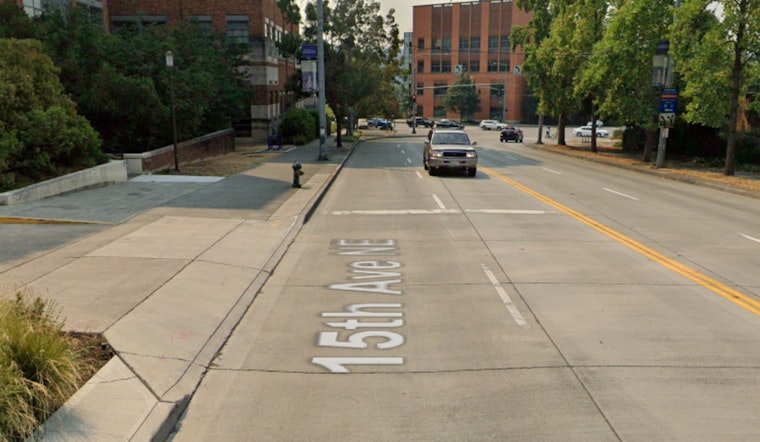
Hazmat crews with the Seattle Fire Department descended on the 3900 block of 15th Avenue Northeast early Friday after reports of a commercial refrigerant leak, prompting officials to urge people to steer clear of the area while they figured out what was going on. Emergency lights and traffic controls lit up the Roosevelt and Maple Leaf stretch as firefighters set up a safety perimeter. As of publication time, authorities had not publicly identified the specific chemical involved or confirmed whether anyone had been hurt.
In an early alert on Seattle Fire Department social media, the agency said crews were responding to the 3900 block of 15th Ave NE "for reports of a commercial refrigerant leak" and asked the public to avoid the area while hazmat teams worked. The post served as the department’s main public notice at that point, and no additional official updates had been shared when this story was published.
Why Refrigerant Leaks Are Treated So Seriously
Commercial cooling systems can rely on a variety of gases, from hydrofluorocarbons to so-called natural refrigerants like carbon dioxide and anhydrous ammonia, and the OSHA notes that ammonia is still widely used in large industrial setups. Anhydrous ammonia is corrosive, and the Agency for Toxic Substances and Disease Registry warns that breathing high concentrations can seriously damage the eyes and lungs and may require urgent medical attention. Poison Control also points out that many refrigerants can act as asphyxiants and that sudden releases may cause freezing injuries on contact, which is why hazmat teams show up in full protective gear with gas detectors and breathing apparatus.
Where It Happened and Who Could Feel the Impact
According to the Seattle Department of Transportation, 15th Avenue NE is a heavily used minor arterial that links the University District, Roosevelt and Maple Leaf neighborhoods and carries several bus routes. City emergency management guidance notes that, depending on wind and the specific chemical involved, areas up to roughly a half-mile downwind can be at risk from airborne hazardous releases, meaning an issue on one block can ripple into surrounding streets. Neighbors in the corridor should plan for traffic delays, detours and instructions from firefighters and police while crews track down and control the leak.
What Hazmat Crews Are Doing and What Neighbors Should Watch For
Standard hazmat procedure involves locking down a perimeter, using portable monitors to identify the substance, trying to stop the leak at its source and then ventilating or containing any affected zones. Seattle Fire's Special Operations materials outline the department’s hazardous materials capabilities and training for exactly this kind of incident. People who develop sudden eye irritation, coughing, dizziness or trouble breathing after being near the scene are advised to get medical care and let clinicians know they may have been exposed to a chemical, in line with public health recommendations. If you notice a strong chemical smell or see someone in distress, call 911 and follow the directions of emergency crews on scene.
This story will be updated as officials release more information. In the meantime, residents and commuters should follow Seattle Fire advisories and official city emergency alerts for real-time guidance.





