

























































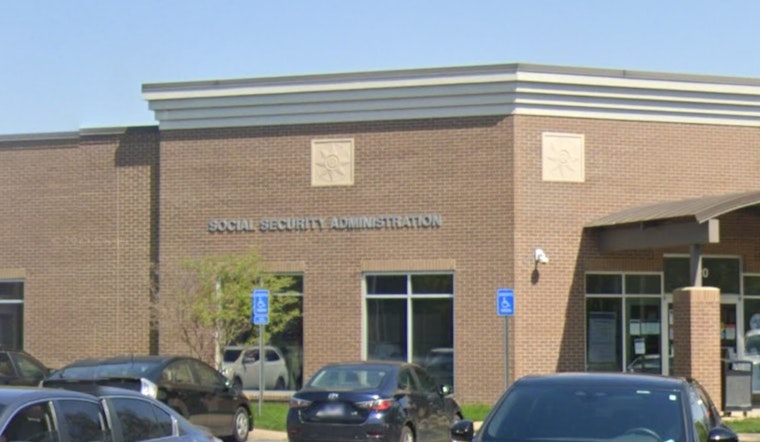
Jerry Dye, a Nashville cashier living on Social Security disability because of diabetic neuropathy, watched his finances implode after a notice from the Social Security Administration said he had been overpaid by $46,468.50. The agency started withholding roughly $1,148 from his $2,093 monthly check, a hit so big that the Dyes could not cover their May rent and were warned they could be evicted. Scrambling for help and terrified of losing their home, the couple took their story to local TV. After the coverage aired, Dye says the agency agreed to take another look at the debt and to cap future deductions at $100 a month.
According to NewsChannel5, Social Security began withholding the $1,148 earlier this year, and the notice indicated that the level of deduction could have stretched all the way through September 2029. The station reports that Dye picked up extra hours at work when his wife lost her job, and in some months, he went only $100 to $200 over the earnings limit that can trigger a repayment demand. The family says they have since caught up, paid the late rent, and are now current on their housing payments.
How Social Security recovers overpayments
Federal rules let the agency recover overpayments by taking a slice of a beneficiary’s monthly check instead of sending a separate bill. This spring, the agency adjusted its default recovery policy so new Title II overpayment notices can carry a recovery rate as high as 50% of a person’s benefit. Reporting on that policy shift, including coverage by CNBC, along with summaries from legal advocates, shows how even small bursts of extra income can snowball into repayment plans that stretch on for years. Advocates warn that the change can push people on fixed incomes into immediate hardship while they fight over the bill.
Appeals, waivers, and local help
People who receive an overpayment notice are not stuck with it automatically. They can request reconsideration or apply for a waiver, and they can ask the Social Security Administration to lower the monthly recovery rate by submitting form SSA‑634. The agency explains those appeal and repayment options on its website. In Nashville, the Metro Action Commission and local community groups offer emergency rent and utility assistance to households staring down eviction while a dispute is pending. Acting quickly is crucial because filing within SSA’s deadlines typically pauses collections while the case is under review.
“I did what I thought I had to do to survive,” Dye told reporters, describing the last few months as a “whirlwind.” He says the agency’s fast review and the pledge to limit deductions have eased the immediate financial pressure, even though the underlying overpayment decision is still unresolved. His situation highlights how thin margins and federal recovery rules can collide, and why legal aid and local assistance programs often stand between families on fixed incomes and a financial free fall.




