

























































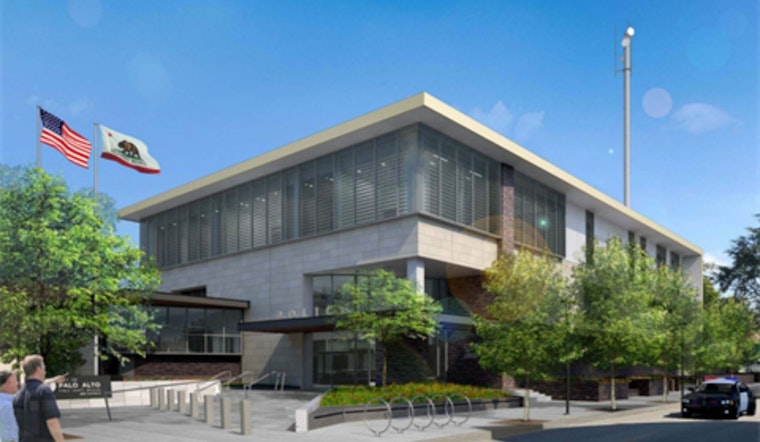
Months after a high-profile ribbon cutting, Palo Alto’s new Public Safety Building is still eerily quiet. The three-story facility at 250 Sherman Ave., built to house the city’s police headquarters, 911 dispatch, an Emergency Operations Center and Fire Department administration, has dark corridors and empty conference rooms while staff mostly remain in their old City Hall spaces. Neighbors and council members say the long pause between celebration and full occupancy has sharpened questions about timing and cost.
Grand opening, then empty rooms
City leaders cut the ribbon on Nov. 16, 2025, with the kind of fanfare reserved for major civic milestones. But the move-in since then has been slow and partial. As reported by Palo Alto Online, much of the Public Safety Building remains unoccupied months after the ceremony, even though it was billed as a long-awaited upgrade to the city’s aging public safety facilities. Coverage at the time described the November opening as a major event on the city calendar, and SFGATE highlighted the building’s intended role as the new home for police leadership, dispatchers and emergency management staff.
What the building includes
The $123.5 million Public Safety Building was designed to put emergency services, public safety administration and disaster coordination under one roof, according to the City of Palo Alto. The project page notes that the three-story facility received a full certificate of occupancy on Aug. 28, 2025, and that staff began a phased move-in that September while contractors wrapped up remaining work.
Contractor disputes and change orders
City officials have linked the drawn-out transition to an ongoing dispute with the project’s general contractor, with both sides pointing to different interpretations of who is responsible for late work and additional costs. Earlier reporting by Palo Alto Online detailed that the contractor submitted nearly 300 change-order requests valued in the tens of millions of dollars, forcing the city to juggle contingency funds while negotiations played out. According to the city, those clashes left some punch-list items unfinished and required hiring third-party vendors to complete specialty systems that were not fully delivered under the original contract.
Finish-line work and timeline
Officials say what is left is not cosmetic touch-up but technical and safety-critical work: final testing of life-safety systems, installing and configuring specialized equipment, and locking in access control systems. The City of Palo Alto project page states that staff are still coordinating with contractors and vendors to complete those remaining tasks ahead of the next phase of move-in.
What this means locally
For residents, the largely empty building has turned into a very visible reminder of how long big public projects can take, especially when disputes go public. It also raises a practical question: when will City Hall finally reclaim the space now occupied by the Police Department? City leaders say the new Public Safety Building is meant to modernize emergency operations and free up much-needed room at City Hall for other departments, but so far they have not given a firm public date for full occupancy.





