

























































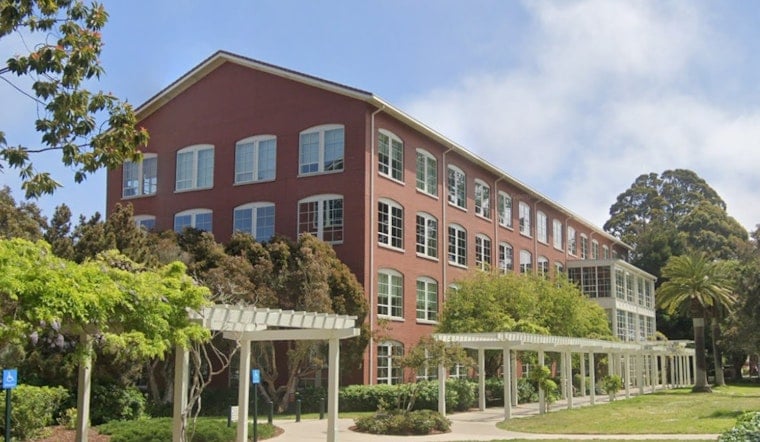
The Parker Institute for Cancer Immunotherapy, the Sean Parker-backed research hub based in San Francisco, is leaning harder into its original promise of getting discoveries out of the lab and into clinics, and it is doing so under new leadership. Since Karen Knudsen stepped in as CEO, the institute has paired a refreshed commercialization strategy with a run of senior hires, a combination that observers say is tightening its playbook for turning collaborative research into startups and industry partnerships across the Bay Area.
New Leadership, Tighter Commercial Game Plan
According to the San Francisco Business Times, Knudsen's arrival has sparked a rethink of how the institute moves discoveries toward the market. The outlet describes a more coordinated approach to spinning promising work into new companies and clinical programs, with a deliberate push to speed the handoff from PICI's academic network to industry partners that are positioned to scale new therapies.
Executives Signal A Market Push
That strategic shift is showing up in the org chart. In early May, PICI named Aimee Johnson as chief marketing officer to sharpen the institute's brand and engagement with key stakeholders, and earlier this year it brought on Bob Purcell to lead communications. Johnson's appointment was detailed in a PR Newswire announcement, while Purcell's hire and the institute's stated commercialization goals were outlined in coverage from BioSpace. PICI says the new communications bench is meant to turn complex science into clearer stories for donors, regulators and potential industry collaborators.
Parker's Venture-Style Model Was Built For This
The institute was seeded by Sean Parker and the Parker Foundation and launched with a large founding grant, a structure designed from the outset to bridge discovery and commercialization. That origin story is laid out in a Parker Foundation release, and PICI's own materials state that it has supported more than 1,000 investigators and now holds a venture portfolio of about 17 biotech companies that have collectively raised more than $4 billion. Knudsen brings a mix of academic leadership and industry ties, including a recent board role at 3T Biosciences, which PICI announcements and the company notice describe as experience that spans research, partnerships and company-building.
What This Means For Bay Area Biotech
For the local ecosystem, a sharper commercialization focus at PICI could translate into faster partnership pathways for university labs and startups that already plug into PICI centers at UCSF, Stanford and other institutions. For patients and investors, the institute's moves underscore a broader trend: nonprofit research networks are increasingly adopting venture-style approaches to shrink the distance between scientific discovery and the therapies that reach the clinic.



