

























































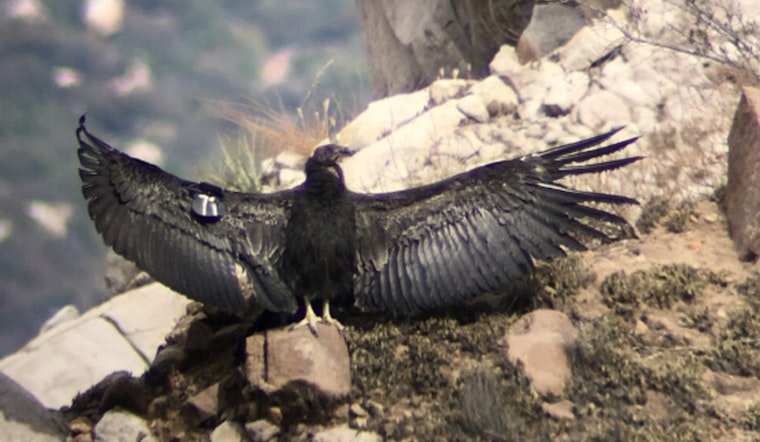
The Oregon Zoo’s Jonsson Center for Wildlife Conservation is in full-on baby boom, hatching a record 15 California condor chicks this season, the most in the center’s 23-year recovery effort. Ten of the chicks are already hopping around inside nest boxes at Jonsson, while five were raised under adoptive condor parents in Boise. The surge follows months of painstaking incubations, foster-rearing and carefully timed breeding techniques designed to boost the number of chicks that successfully fledge.
According to the Oregon Zoo, the 15 healthy chicks mark the highest total the program has ever recorded. “We have 12 sets of condor parents tending chicks right now, which is nearly a full house,” said Nicole LaGreco, who oversees the zoo’s condor recovery efforts. The zoo notes that some eggs laid at other institutions were either incubated at Jonsson or fostered to other birds to maximize the number of fledglings.
In the broader condor world, the species has clawed its way back from the brink. The U.S. Fish & Wildlife Service's 2025 population report puts the global total at 607 birds as of Dec. 31, 2025, up from roughly two dozen condors in the early 1980s. The same report lays out the threats that still shape recovery plans, including lead poisoning, power-line collisions and disease. For conservationists, every extra chick gives them more flexibility in choosing release sites and managing the genetics of wild flocks.
How keepers coaxed extra chicks
To get to 15, keepers at Jonsson leaned on an arsenal of techniques: round-the-clock incubation, strategic use of dummy eggs and a method called “double clutching,” which encourages replacement eggs while protecting fragile first eggs as adults tend another. Per the Oregon Zoo, several condor pairs ended up producing two eggs this season, a rare but very welcome outcome for a species that usually lays just one egg a year. The mix of incubator care and foster-rearing gives managers more control over hatching and helps improve the genetic diversity of birds that eventually head into the wild.
Foster parents and 'condor school'
Some of this year’s chicks were placed with adoptive condor parents at The Peregrine Fund's World Center for Birds of Prey in Boise, where experienced adult condors raise the youngsters and teach them social and foraging skills in a de facto “condor school.” The Peregrine Fund's account of recent foster-rearing shows how regional partners swap eggs and birds to spread risk and strengthen recovery across different release sites. That shared system helped Jonsson contribute chicks to release programs in California and Arizona.
Next up: pre-release pens and field sites
After roughly eight months with their parents, the young condors typically move into pre-release pens for about a year before being placed at wild release sites in California and Arizona. Local coverage republishing the zoo's release notes that Jonsson has hatched more than 150 chicks since 2003 and sent more than 100 zoo-reared birds to field pens for release, as reported by JAM'N 107.5. Upgrades and new equipment, funded in part by Senators Jeff Merkley and Ron Wyden, the Avangrid Foundation and donations to the Oregon Zoo Foundation, helped prepare Jonsson for this season’s bumper crop of chicks, the zoo said.





.jpg)