

























































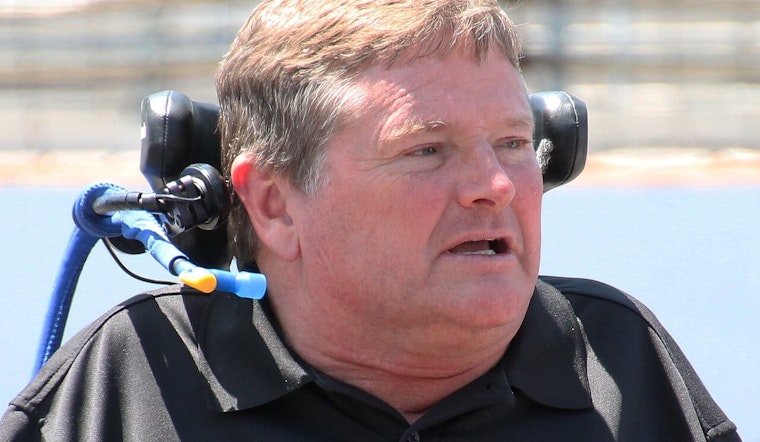
What used to be a quiet, shuttered Five Seasons sports club on Indianapolis’ north side is now buzzing again, this time with wheelchairs, walkers and exoskeletons instead of tennis whites. Sam Schmidt’s DRIVEN Neuro Recovery Center has transformed the 114,000-square-foot complex into a sprawling rehab hub that leans hard into long-term neurological recovery. The campus pairs deep-water therapy, robotic gait training and adaptive sports with nonprofit-backed access and an open-gym model that Schmidt says is meant to bridge the gap patients hit when their insurance-funded care suddenly stops.
As reported by FOX59, Conquer Paralysis Now retrofitted the former Five Seasons site into a full-blown rehabilitation campus, complete with an aquatic center and dedicated areas for exoskeletons and other specialty gear. NeuroHope cofounder Chris Leeuw called the space the “next step” in care after hospitalization, and his organization is set to run outpatient programs inside the facility. The move also plants the Indy metro firmly on the map as the new operational hub for DRIVEN.
According to Autoweek, the Carmel site serves as DRIVEN’s flagship location, following the original center in Las Vegas, and packs roughly 114,000 square feet of clinical, training and research-ready space. That profile places the campus at the heart of Schmidt’s second act, pivoting from racing star to rehab advocate, and situates the facility within a broader strategy to expand access to intensive neuro-rehab across the country.
Local partner NeuroHope runs outpatient programming inside the DRIVEN campus, focusing on frequent, activity-based therapy sessions, guided adaptive exercise and open-gym time for people with spinal cord or brain injuries. The nonprofit emphasizes outcome-focused, long-term care designed to stretch improvements far beyond the limited therapy visits most insurance plans will cover.
High-tech pools and imported robotics
The site is not just big, it is loaded with gear that is rarely seen under one roof in the region. Specialized therapy pools and robotic gait-training systems imported from Germany anchor the high-tech setup. As detailed by WTHR, installing the moveable pool floors alone can run around $750,000 each, and DRIVEN is already serving roughly 225 patients every week. That same reporting notes that the kind of underwater treadmill DRIVEN uses is otherwise found in Indiana only at the Colts’ training complex.
A mission shaped by lived experience
Schmidt was paralyzed in a racing crash in 2000, and he points directly to that experience for the spark behind DRIVEN. His own need for ongoing rehab, paired with watching others lose access to care long before they were ready, pushed him toward building a different model. “We’re going to have to bring it to them geographically, if that’s possible,” he told Autoweek while outlining plans to replicate the concept in more communities nationwide.
Funding, the memoir and community access
Conquer Paralysis Now’s website notes that 100% of author proceeds from Schmidt’s memoir will be directed back to the foundation to support DRIVEN and its related initiatives. The organization says it is blending philanthropy, grant funding and clinical revenue to keep high-intensity therapy within reach for patients who often see their coverage vanish after only a few weeks of treatment.
Backers say the mix of research-ready equipment, intensive therapy and adaptive-sports programming is designed to give Hoosiers and out-of-towners alike a realistic local option for long-term neurological rehab. For schedules, program details and intake information, visit NeuroHope for the latest updates on classes and patient access.





