

























































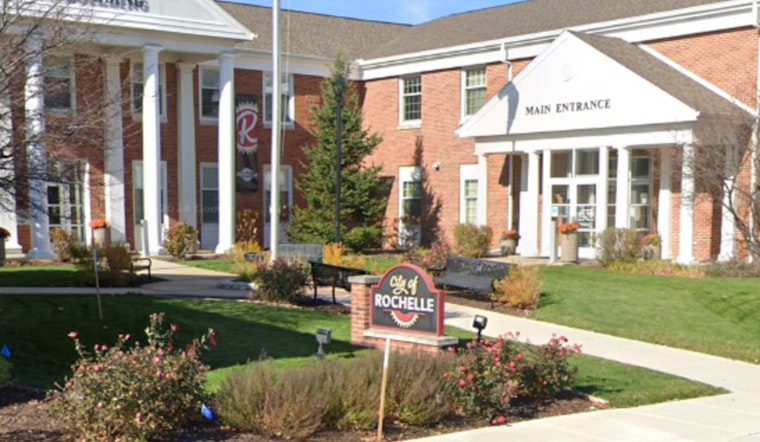
The Rochelle City Council signed off Monday on higher utility taxes to keep the city’s sidewalk program afloat, voting 6-1 to both raise and extend the municipal gas and electricity taxes that feed the Utility Tax Fund. The tweak is aimed at covering rising construction costs for sidewalk repair, replacements and new pedestrian paths, with the new rates kicking in Jan. 1, 2027 and running through Dec. 31, 2032. Supporters framed it as a necessary tune-up to a long-running program, while skeptics worried about piling more onto residents’ monthly bills.
What the ordinance changes
The measure updates Articles VII and VIII of Chapter 90 of the Rochelle Municipal Code to revise the municipal electricity and gas tax schedules and lock in a new sunset date. According to the City of Rochelle ordinance, the adjusted rates take effect Jan. 1, 2027 and remain in place through Dec. 31, 2032.
Under the ordinance, the municipal gas tax goes up by 0.5 percentage points, while the tiered electricity tax rates are nudged higher across several consumption brackets to bring in additional Utility Tax Fund revenue. The fund is dedicated to sidewalk and pedestrian projects.
Split council and ratepayer worries
The vote was 6-1, with Mayor John Bearrows standing alone in opposition. As reported by Shaw Local, Bearrows pointed to the timing, noting that property tax notices were showing up in mailboxes and saying, “I can’t support this at this time.” His concern: even a relatively small bump still lands on residents already bracing for higher costs.
Councilwoman Kate Shaw-Dickey took the other side, arguing that a modest adjustment now is better than being forced into a steeper hike later if the fund falls behind rising construction prices. Her stance carried the day, with the rest of the council lining up behind the increase.
How much money is on the line
City staff estimates the initial change to the electricity tax will generate about $84,000 more than projected 2025 Utility Tax Fund revenues, with the gas tax increase adding roughly $16,000. The staff cover memo notes the $84,000 figure is based on anticipated 2025 electricity tax revenues of about $420,000 and translates to an average monthly increase of approximately $1.34 for residential customers. Those dollars are intended to keep the sidewalk program on solid footing as material and labor costs climb.
The same memo reports that since 1997, the Utility Tax Fund has helped pay for roughly 1.3 million square feet of sidewalks, ramps and pedestrian paths across Rochelle. City officials point to that track record as justification for keeping the fund robust; the program, they say, has quietly reshaped how people move around town.
For more on the financial projections and project history, see the city staff memo.
Other business on the docket
Sidewalks were not the only item on Monday’s agenda. The council also approved an all-way stop at North Main Street and Fifth Avenue and raised the speed limit to 50 mph on a portion of Creston Road, with officials citing heavy truck traffic and recent upgrades to that stretch of roadway.
In other public-works moves, councilors signed off on change orders for the North 14th Street storm-sewer project and the Well 8 iron filter plant. They also unanimously accepted a $48,531 bid for a new pickup truck for the fire department, according to local coverage of the meeting. For a full rundown of the evening’s votes and staff reports, see Shaw Local.
Next up, city staff will fold the tax changes into future budgets and continue channeling Utility Tax Fund dollars into sidewalk and accessibility work in coming years. The city calendar lists a bid opening later this month for the 2026 Sidewalk Capital Improvement Program, and residents can dig into ordinances, staff reports and budget documents through the city’s online meeting pages if they want to see exactly where those extra utility-tax dollars are headed.




