

























































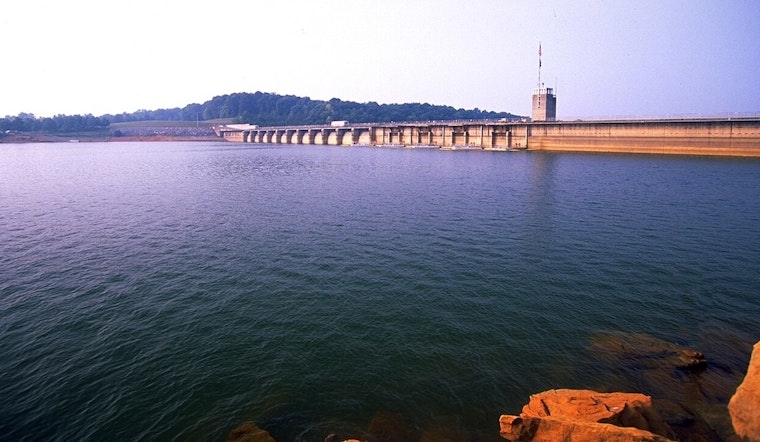
If you are getting the boat ready for Memorial Day weekend in East Tennessee, officials say you should also get ready for a very different-looking lake. Drought-driven low water is exposing rocks, stumps, and other hazards on popular reservoirs, and familiar ramps, channels, and shorelines may not look anything like last summer.
With the busy boating season about to kick off, the Tennessee Wildlife Resources Agency (TWRA) is warning boaters to slow down, stay sharp, and treat every run as if it were through unfamiliar water until significant rain brings lake levels back up.
TWRA's Warning And What To Watch For
Timed with National Safe Boating Week, TWRA is urging boaters to do a little homework before they ever back down a ramp. That means checking detailed lake maps, talking with local anglers who know current conditions, and making sure every person on board has a wearable life jacket and that there is a designated sober operator at the helm.
The agency points out that many serious accidents involve people who were not wearing life jackets or who were operating while impaired, and it is bracing the public for the possibility that several East Tennessee reservoirs may never hit full summer pool this year without a solid stretch of rain, as reported by WBIR.
Why Lake Levels Are Down
TVA and local forecasters tie the low water to a dry spring and reduced runoff across the region. The Tennessee Valley Authority started conserving water back in February, and its Lake Info tool shows many reservoirs sitting below their typical summer elevations, according to TVA.
Local coverage notes the system is running well below its usual rainfall and runoff for the year, which in turn exposes more hazards and changes how and where boat ramps can be used on lakes such as Cherokee and Douglas, as reported by WSMV.
Boating Risks And The Toll
TWRA is not just talking in hypotheticals. State officials say Tennessee has already recorded nine boating fatalities so far this year. The agency is using that grim number to drive home how quickly conditions can turn dangerous on lowered reservoirs where old obstacles are suddenly just below the surface.
According to WBIR, TWRA stresses that most of those deaths are preventable with basic precautions: wearing life jackets, keeping an unimpaired operator at the wheel, and paying close attention to changing lake conditions instead of assuming the water is the same as last year.
How To Stay Safe
National Safe Boating Week runs from May 16 to 22, and federal and state safety campaigns are all pushing the same core message: simple, consistent habits save lives. That means putting on a properly fitted life jacket every time, boating sober, staying inside marked channels whenever possible, and carrying navigation tools instead of trusting memory on a low lake.
The National Weather Service and the national Safe Boating Campaign offer detailed checklists and planning tips to help people get their boats, gear, and crews ready before heading out.
Where To Check Conditions
Before you launch, officials recommend checking TVA's Lake Info for current elevations and releases, then reviewing TWRA's boating resources for site-specific safety guidance and any alerts.
Broader drought outlooks from the U.S. Drought Monitor show much of Tennessee in drought, which lines up with what boaters are seeing on the water and helps explain why so many reservoirs are running low. For statewide drought maps, boaters can turn to Drought.gov.





