

























































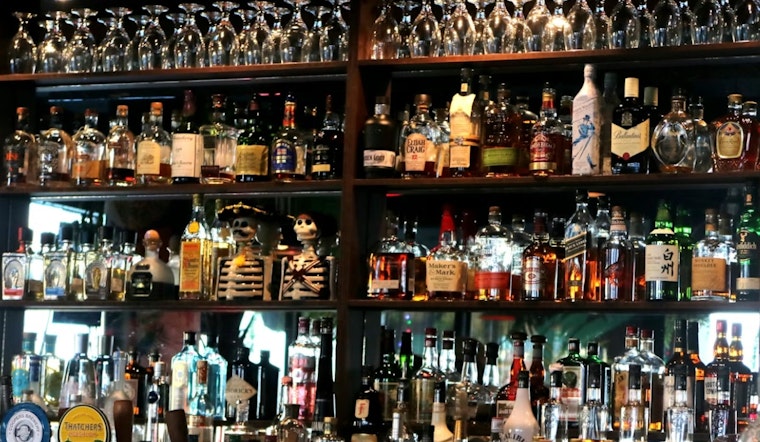
San Francisco’s once white-hot market for full liquor licenses has gone ice cold, with secondary-market prices sinking from mid–six-figure territory to roughly one hundred thousand dollars. Brokers say licenses that traded for about $250,000 in 2022 are now changing hands for around $100,000, with some deals coming in even lower. The shift is rewriting the math for restaurant and bar owners, slashing a major upfront cost for newcomers while wiping out a key asset for longtime operators.
Broker: Prices Have Tumbled
Liquor-license broker Cameron DeRuosi told NBC Bay Area that prices have fallen from about $250,000 net to seller back in 2022 to around $100,000 today, and that he has seen sales as low as $70,000 to $85,000. DeRuosi and other agents tie the drop to owners who are selling into a tough environment of rising labor, liability and food costs. Those distressed exits, they say, are reshaping what San Francisco liquor permits fetch on the resale market.
How Deep The Drop Is
The San Francisco Chronicle reviewed county sale records and reports that the average full-liquor license value slid from roughly $230,000 in early 2022 to about $95,000 by late 2025, with a slight rebound to around $100,000 in the first quarter of 2026. The paper notes that many owners long treated licenses as a retirement asset, a kind of safety net if a restaurant failed, and that a recent glut of transfers has depressed the secondary market. Industry observers say a mix of closures, slower openings and rising operating costs pushed more licenses into circulation than buyers were ready to absorb.
State Data Shows Drinking Is Down
California’s alcohol tax tables show that apparent consumption for beer and wine fell in fiscal 2023–24, trimming one of the demand pillars for on-premises operators. The Department of Tax and Fee Administration’s annual statistical tables track apparent consumption by fiscal year, and industry watchers point to those numbers when describing softer alcohol sales. The declining taxable volume helps explain why some owners are taking steep losses when they put licenses up for sale, rather than holding out for higher bids, per CDTFA annual report (Table 28).
Owners See A Silver Lining And A Loss
Not everyone is panicking. Bar 49 owner Colm O’Brien told NBC Bay Area that cheaper licenses could let a younger generation with fresh concepts finally get in the game. At the same time, veteran operators warn that collapsing license values erase years of built-up equity and make closing up shop even more painful. That split, opportunity for new entrants versus lost wealth for incumbents, is playing out in conversations across neighborhoods and industry groups.
Policy Move Could Change The Market
State and city policy are also in the mix. Legislation passed last year authorizes San Francisco to issue up to 20 new downtown licenses intended to revive Union Square and the convention area, a move the mayor’s office has promoted as part of a broader downtown recovery plan. The California Department of Alcoholic Beverage Control has previously issued neighborhood-restricted Type 87 licenses and laid out rules on priority registration, transferability and application fees, guidelines that will shape how new, lower-cost licenses function in practice. Those policy changes may lower barriers for new restaurants but could also complicate the resale market that once supported six-figure license valuations. SF.gov and ABC
For now, cheaper licenses are both an invitation and a warning sign. They lower the cost of entry for new concepts, but they also reflect an industry still squeezed by costs and shifting drinking habits. The market will likely find its footing only after the rush of transfers slows and the city, along with would-be buyers, can see whether real demand has returned.



