

























































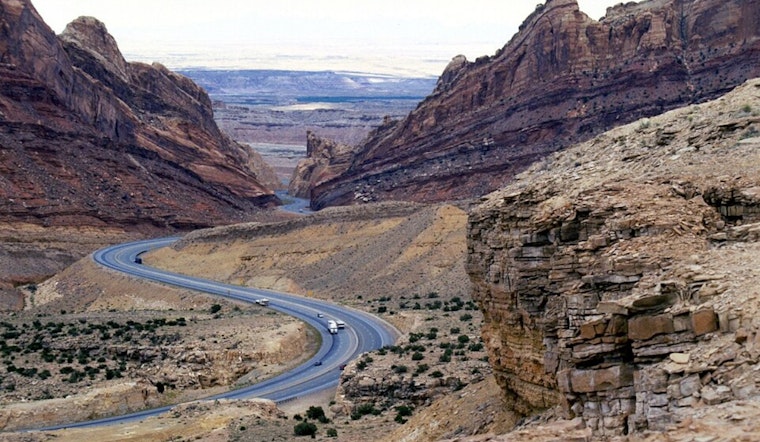
The Bureau of Land Management has quietly reopened its review of off-highway vehicle route designations across the San Rafael Swell and the adjacent San Rafael Desert, and conservation groups are not thrilled. They warn that sensitive cultural sites and fragile stream corridors could once again be on the firing line for increased motorized traffic. The reassessment, announced earlier this week, targets routes that are currently marked as OHV-closed or OHV-limited, and officials say the move is a response to renewed public feedback. Public comments are open now and will run through June 8.
BLM Reopens Map, Asks Public To Weigh In
According to the Bureau of Land Management, the Price Field Office has posted a detailed list of the routes under reconsideration, plus an interactive map so people can pin down specific route numbers when they comment. The agency says specialists and cooperating agencies will be weighing both resource protection and access as they decide whether some OHV-limited or OHV-closed routes should be redesignated. Comments may be submitted through the agency’s ePlanning portal, by email, or by mail to the Price Field Office. As reported by ABC4 Utah, BLM officials say current route designations will stay in place during the review.
Conservation Groups Sound The Alarm
The Southern Utah Wilderness Alliance is treating the reassessment as a political maneuver that tilts hard toward motorized recreation at the expense of preservation. The group argues that reopening or loosening designations could effectively “blanket” wild landscapes with vehicle routes. In a May 7 press release from the Southern Utah Wilderness Alliance, staff attorney Laura Peterson said, “This is yet another naked political decision to appease radical off-road vehicle groups,” and the organization warned that motorized travel causes “disproportionate damage” in stream bottoms, cultural sites, and fragile soils. SUWA is urging its members and other public land users to study the BLM route list closely and submit pointed comments through the project page.
How The Travel Plan Got Here
The new review follows on the heels of a broad San Rafael Swell Travel Management Plan that the BLM finalized in late 2024. By the agency’s own accounting, that plan kept roughly 1,300–1,400 miles of routes in the active network while closing hundreds of miles to shield sensitive areas. Coverage in E&E News and public planning documents shows the plan came after years of analysis, and more than 6,000 public comments, and it eventually drew legal challenges from both off-road interests and conservation advocates. That history explains why virtually every player at the table is now watching this fresh round of route reconsiderations so closely.
How To Comment And What To Watch
Comments on the reconsideration routes must be submitted through the Bureau of Land Management ePlanning portal, by email, or by mail to San Rafael TMP, 125 S 600 W, Price, UT 84501. The agency’s project page includes an interactive map and a downloadable list of the route numbers now under review. The BLM has told local media that it does not intend to create brand-new trails as part of this reassessment and that current route designations will remain in effect while staff completes their analysis, according to ABC4 Utah. Observers will want to keep an eye out for any formal decision record or amendments to the travel management plan; if the agency ends up redesignating routes, it may follow with new signage and targeted outreach to users aimed at limiting resource damage.
Legal And Political Crosscurrents
The San Rafael reassessments are unfolding against a dense legal backdrop. The existing travel plans were produced under a 2017 settlement that required the BLM to complete multiple travel management plans across southern and eastern Utah, and groups seeking broader motorized access later litigated parts of that process. In its statement, the Southern Utah Wilderness Alliance noted that the agency has previously closed routes it described as reclaimed or nonexistent on the ground, and argued that the current reconsideration appears politically driven. Any formal redesignation is likely to invite more legal challenges and almost certainly another sustained round of public comment and scrutiny.





