

























































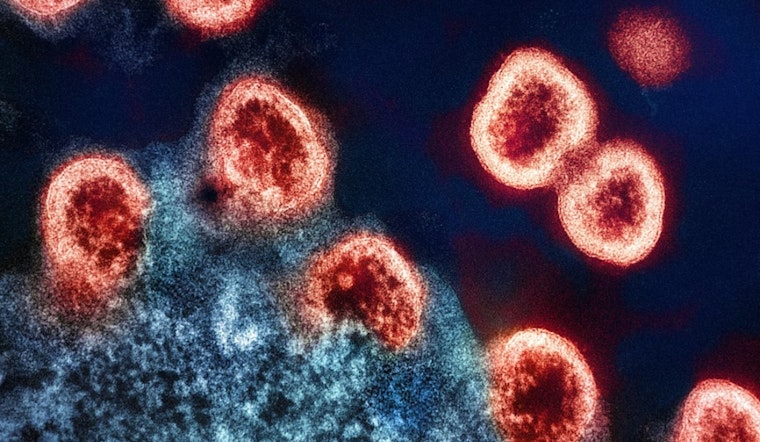
Two people living with HIV in a UC San Francisco-led study have done something that, until recently, sat firmly in the realm of wishful thinking: after a single infusion of engineered CAR-T cells, their virus stayed so quiet that they were able to stop taking daily antiretroviral drugs. One remained off medication for nearly a year, the other for almost two years.
The experiment, led by Dr. Steven Deeks and unveiled this week at the American Society of Gene and Cell Therapy meeting in Boston, is small and very early-stage. Researchers describe the results as provocative signals, not proof of a cure. Most of the study participants did not see sustained benefit, went back on standard HIV therapy and, scientists stress, much larger and longer trials will be needed to see whether this approach can reliably deliver long-term remission.
What the Early Data Showed
According to the Associated Press, a single dose of the experimental CAR-T therapy pushed viral loads down to undetectable levels in two participants who then stayed off their daily HIV medicines for many months, stretching into years. The AP reports that no serious side effects were seen in the trial.
Three of the participants received a low dose of chemotherapy before the CAR-T infusion, a move intended to clear space in the immune system for the engineered cells. Two of those three turned out to be the standout responders with strong, sustained control of the virus, while the third showed only a temporary benefit before needing to restart antiretrovirals.
Outside experts quoted in the Associated Press coverage urged caution. Dr. Hans-Peter Kiem called for more research before anyone talks about cures, and Andrea Gramatica of amfAR said the strategy is exciting largely because it supercharges what the immune system is already designed to do, rather than inventing a completely new line of attack.
How the CAR-T Cells Were Built and Where the Trial Stands
Preclinical work describes a “duoCAR” design that outfits T cells with receptors targeting two conserved spots on HIV’s gp120 protein, while also adding protective tweaks that help the engineered cells resist infection themselves. In theory, that gives them a better shot at surviving long term, finding infected cells and killing them off. That design and its lab testing were detailed in a JCI Insight paper.
The clinical study behind the early report is listed on ClinicalTrials.gov as an open-label phase I/IIa trial. It is testing increasing doses of the CAR-T product and, for some participants, includes a planned treatment interruption so researchers can see whether the infused cells can hold the virus in check without the backup of daily antiretroviral drugs.
Who Developed the Therapy and How Patients Were Prepared
The duoCAR approach originated at Caring Cross, a nonprofit developer that worked with academic collaborators and has previously announced its first in-human dosing and published preclinical potency data. Some of the people in the trial received modest lymphodepleting chemotherapy before the infusion, a common step in cell-therapy studies meant to improve how well the new cells take hold and expand in the body.
Investigators noted that the participants with the most impressive viral control had started antiretroviral therapy soon after they were infected. That pattern fits with broader cure research, where people treated early often have fewer viral “reservoirs” hiding out in long-lived cells and tend to have a more resilient immune system to build on.
Why Scientists Are Cautious
Researchers point out that earlier generations of CAR-T strategies for HIV have generally proven safe and feasible, but have delivered only spotty antiviral effects. The roadblocks are substantial: engineered T cells have to reach the tissues where latent virus lies low, avoid being sidestepped by viral mutations and persist for years if they are going to keep the virus suppressed without daily pills.
A recent review of immune-based cure strategies highlights those same hurdles and notes that many small, early trials focus on people treated soon after infection, exactly because their viral reservoirs tend to be smaller and their immune systems less battered. For now, the duoCAR responses in two people are seen as promising signals that justify careful follow-up, not a reason to change how HIV is treated in clinics.
What Comes Next
The team behind the study plans to follow participants longer, fine-tune dosing and chemotherapy pre-treatment and move into larger trials to see whether the encouraging responses seen in two individuals can be replicated and scaled. The trial record and statements from the developer list UC San Francisco and other academic partners as sites and collaborators, and the researchers say that proving safety, consistency and practical manufacturing will be key if the early efficacy signals hold up.
Even if engineered-cell approaches eventually cut down the need for daily pills, the global scale of HIV is a stark reminder that no single strategy will be enough. About 40.8 million people were living with HIV in 2024 and roughly 31.6 million were receiving antiretroviral therapy, according to a United Nations UNAIDS fact sheet. Numbers like that help explain why scientists keep chasing “one-and-done” remission strategies, even when the first hints of success are measured in just two people.



